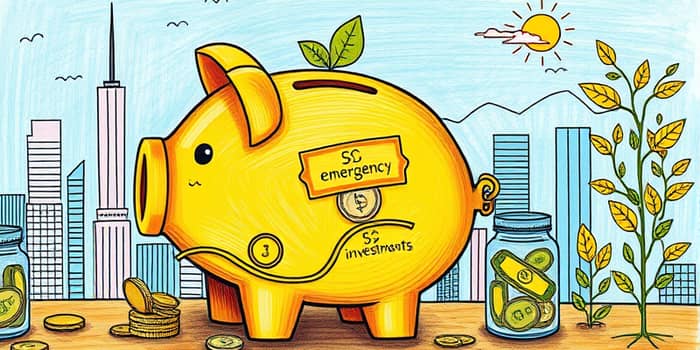
Saving money begins with intention but flourishes with strategy. As we approach 2026, opportunities abound to elevate basic piggy bank routines into comprehensive, future-ready systems that align with your life goals.
By embracing purposeful planning and informed action, you can cultivate financial resilience and growth in every season of life.
Daily Savings Habits
Small, consistent actions compound into significant wealth over time. Begin by setting S.M.A.R.T. goals with clear deadlines for emergencies, homes, or retirement funds. Allocate a fixed amount—say $200 monthly—into a dedicated savings bucket.
- Automate transfers to savings: schedule weekly or monthly deposits directly from your paycheck.
- Implement zero-sum budgeting: assign every dollar from last month’s income to specific categories.
- Use account alerts: monitor debit purchases, balances, and ATM withdrawals in real time.
- Review subscriptions quarterly: cancel unused services to redirect funds.
Meal planning and strategic shopping can yield 60% or more off groceries through coupons and sale cycles. After-Christmas decor at 90% off offers a clear example of seizing seasonal discounts.
Build an emergency fund covering three to six months of expenses in an FDIC-insured account. Prioritize high-interest debt, such as credit cards, to free up future cash flow for savings and investments.
Retirement Maximization
Your retirement accounts deserve careful attention to harness all available benefits. The 2026 IRS has raised contribution limits, creating a golden window for savers:
- 401(k)/403(b) contributions: increase from $23,500 to $24,500.
- IRA contributions: up by $500 to $7,500 annually.
- Catch-up options: $1,100 for Roth IRAs (50+ age) and an $11,250 super catch-up for ages 60–63.
Maximize employer matches first. These are guaranteed returns on every dollar you contribute. Then, consider Roth conversions in low-income years to lock in tax-free growth.
Separate accounts by goal type: designate one for short-term targets like vacations, and another for long-term growth. This maintains clarity and prevents misallocation of funds.
Leverage SECURE 2.0 enhancements, such as Roth matching contributions and penalty-free emergency withdrawals, to further bolster your nest egg.
Investment Strategies for Resilience
Market volatility and policy shifts demand a diversified, adaptive portfolio. Aim for a balanced mix:
With Fed rate cuts on the horizon, focus on short-maturity fixed income (5–7 years) for elevated yields without excessive duration risk. Maintaining a cash reserve for opportunistic buys can position you to capitalize on market dips.
Rebalance quarterly and consider a modest 5–10% allocation to commodities or ETFs to guard against persistent inflation and geopolitical shocks.
Tax Optimization Tactics
Effective tax strategies amplify your returns and preserve wealth. Key approaches include:
- Asset location: place tax-inefficient bonds in tax-deferred accounts, equities in taxable ones.
- Withdrawal sequencing: start with RMDs, then taxable accounts, followed by tax-deferred and tax-free sources.
- Itemizing reconsideration: the $40,000 SALT cap may make itemizing worthwhile for some filers.
Take advantage of senior deductions—up to $3,200 extra standard deduction for married filers over 65—without phaseouts. Consider lifetime gifting and hybrid long-term care annuities for tax-free growth and expense protection.
Update your W-4 to reflect new income or deduction changes, ensuring smooth cash flow and avoiding surprises at tax time.
The 2026 Action Plan
Now is the moment to translate knowledge into action. Begin by reviewing your 2025 budget, identifying areas to cut and opportunities to redirect funds. Set or revise SMART goals for emergency savings, retirement milestones, and life aspirations. Enroll in or adjust retirement contributions to meet the 2026 limits.
Use tools like Wealth Plan Plus to model your cash flows, evaluate risk tolerance, and align long-term objectives. Schedule monthly reviews, quarterly rebalances, and an annual goal audit to maintain progress. Embrace windfalls—bonuses, raises, and unexpected gains—by allocating them strategically into high-impact accounts rather than letting them dissolve into routine spending.
Cultivate intentional growth: each dollar saved and invested is a building block toward lasting sustainable financial freedom. Let 2026 be the year your financial vision takes flight.
References
- https://privatebank.jpmorgan.com/nam/en/insights/markets-and-investing/ideas-and-insights/get-ready-for-2026-make-these-10-planning-moves-now
- https://southstarbank.com/10-ways-to-maximize-your-savings-in-2026/
- https://www.kiplinger.com/retirement/how-to-make-2026-your-best-year-yet-for-retirement-savings
- https://www.fidelity.com/learning-center/personal-finance/retirement/2026-money-moves
- https://www.nasdaq.com/articles/11-secrets-saving-more-money-2026
- https://merchantsbankal.bank/year-end-financial-planning-for-2026/
- https://www.youtube.com/watch?v=pzHzGxyaQ9c
- https://www.lincolnfinancial.com/public/professionals/productsandinsights/blogs/advancedplanning