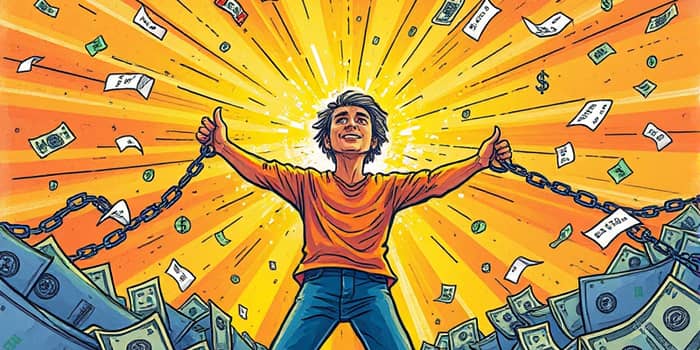
Embarking on a journey to financial freedom can feel daunting, but with a clear plan, you can overcome the burden of debt and reclaim control of your life.
Debt can trigger stress, cloud your focus, and strain relationships. Sleepless nights spent worrying about bills are replaced by confidence when you take decisive action toward a debt-free future.
Understanding Your Financial Landscape
Debt is more than a number on a statement; it represents the potential to rebuild your future. Cultivating a deep understanding of your current finances is the first act of self-empowerment.
Begin by gathering all statements and credit reports. Write down each account’s details, including status (current, delinquent, or in collections). This comprehensive debt snapshot with details becomes both your map and your motivation.
Consider enlisting a trusted friend or family member as an accountability partner. Sharing your inventory adds emotional support and keeps you honest as you track each dollar.
Step 1: Set SMART Goals and Assess Debt Inventory
Clarify what you want to achieve and when. A SMART goal—Specific, Measurable, Attainable, Relevant, Time-bound—creates the structure necessary for consistent progress. For example, pledge to eliminate $5,000 of credit card debt within 18 months.
Create a spreadsheet or use a debt-tracking app to list:
- Creditor name
- Outstanding balance
- Interest rate
- Minimum payment
- Due date and account status
Understanding total debt is the foundation of every decision you make moving forward. When you see the full picture, invisible problems become visible solutions. Schedule a weekly progress review with accountability partner to reinforce your commitment.
Step 2: Create and Adjust a Budget
A sustainable budget is the engine that drives debt repayment. Without it, progress stalls and temptations derail your efforts. Start by recording your net income, then categorize expenses into fixed and variable.
Implement the 50/30/20 rule to allocate resources effectively:
- 50% essentials (housing, utilities, minimum debt)
- 30% wants (dining out, entertainment, personal care)
- 20% savings and extra debt payments
Track every variable expense for at least one month—every coffee, snack, and digital subscription. Use apps like Mint or YNAB to monitor spending in real time and receive alerts when you approach limits.
This habit builds awareness and highlights opportunities for savings. Try the envelope system, where physical cash for categories prevents overspending and cultivates mindful decisions.
Step 3: Choose a Debt Repayment Strategy
Selecting the right repayment approach balances mathematical efficiency with emotional fulfillment. Two proven methods stand out:
By comparing these strategies, you can optimize your plan. Avalanche is mathematically optimal for minimizing interest, while Snowball offers a psychological boost through early wins. Keep in mind that missing payments resets progress, so automate minimums to avoid setbacks.
Use tools like PowerPay or debt calculators to simulate timelines and savings. Choose the method that aligns with your temperament and keeps you moving forward.
Step 4: Explore Debt Consolidation and Negotiation
If multiple high-interest debts weigh you down, consolidation can streamline payments and reduce rates. Consider these options carefully:
0% introductory balance transfer cards often provide 12 months or more at zero APR. Transferring balances can save hundreds in interest, but be mindful of transfer fees and timely payments.
Debt consolidation loans offer a single fixed-rate payment. Shop around for the lowest APR and flexible terms. Homeowners might use a home equity loan, though this places property at risk if you default.
Negotiating directly with creditors can unlock immediate relief. Call customer service, explain your hardship, and request a lower rate or waived fees. Be aware that typical credit card APR above 20% highlights the urgency of securing a better deal. Document all communications and follow up in writing.
Step 5: Boost Income and Cut Costs
Accelerating your debt-free date often requires increasing cash flow. Explore side hustles that align with your skills and schedule:
- Freelancing online (writing, graphic design, consulting)
- Rideshare or delivery driving
- Pet sitting, tutoring, virtual assistance
- Selling items through online marketplaces
Allocate dedicated hours for side hustles. Redirect every extra dollar to your debt repayment plan. At the same time, renegotiate recurring expenses—call your internet provider, compare insurance quotes, and share subscriptions.
Small savings add up rapidly when consistently applied, turning minor cuts into major contributions toward your freedom.
Step 6: Stay Motivated and Track Progress
Debt eradication is a marathon, not a sprint. Maintain momentum by setting milestone targets, such as eliminating one account per quarter. Celebrate responsibly—acknowledge your wins with simple rewards that don’t derail your plan.
Create a visual progress board or use an app that displays a tangible feedback loop for progress. Watching your balances shrink provides lasting financial empowerment in action, reminding you that each payment brings you closer to your dreams.
Journaling your challenges and triumphs can strengthen resolve. Reflect on emotional hurdles and note strategies that worked, building resilience for the next phase.
Celebrate small wins mindfully and purposefully, ensuring each step forward reinforces positive habits.
Step 7: Build Habits for Long-Term Freedom
Reaching zero balance is transformative, but the journey doesn’t end there. Establish habits to safeguard your newfound freedom:
- Maintain a three-month emergency fund
- Review and adjust your budget quarterly
- Allocate windfalls or raises toward investments
- Avoid new debt by living within your means
- Conduct an annual financial health review
If overwhelming circumstances persist, consult a certified counselor or explore bankruptcy as a last resort. Chapter 13 can protect assets under a structured repayment plan, but it carries long-term credit implications.
Conclusion: Embrace Your Path to Financial Liberation
By following these seven steps—setting clear goals, managing your budget, choosing the right repayment strategy, and cultivating empowering habits—you break free from the cycle of debt. This process is not only about numbers; it’s about regaining control, rebuilding confidence, and creating a future defined by choice rather than obligation.
Each payment you make is a declaration of independence. Commit to the plan, trust in your capacity for change, and watch as financial freedom transforms your life. Your journey to debt-free living begins now.
References
- https://www.unitedway.org/5-steps-to-getting-rid-of-debt
- https://www.experian.com/blogs/ask-experian/steps-to-get-out-of-debt/
- https://bettermoneyhabits.bankofamerica.com/en/debt/how-to-get-out-of-debt
- https://www.equifax.com/personal/education/debt-management/articles/-/learn/paying-off-debt-strategies/
- https://www.westernsouthern.com/personal-finance/how-to-get-out-of-debt
- https://consumer.ftc.gov/articles/how-get-out-debt
- https://nomoredebts.org/blog/dealing-with-debt/debt-reduction-plan-better-budgeting