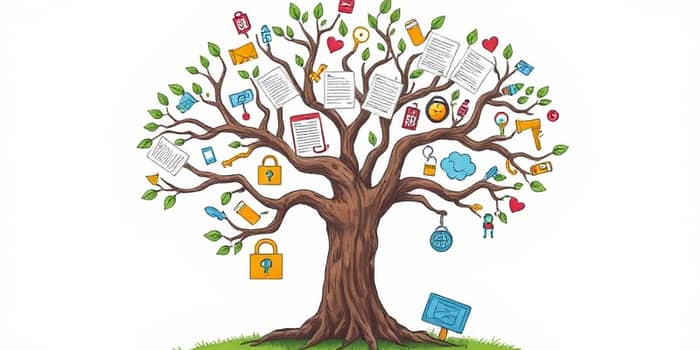
Estate planning is more than drafting a will. It’s a commitment to protect your family’s future and secure your life’s work. A well-crafted plan brings peace of mind.
Understanding Estate Planning
Estate planning is the process of arranging how your assets will be managed and distributed after death or incapacitation. It ensures your wishes are honored, reduces family conflict, and can avoid the expense and delay of court-supervised probate.
With over 60% of Americans lacking these vital documents, many families face confusion, legal battles, and unnecessary costs. A robust plan provides clarity, preserves wealth, and upholds your values even when you’re no longer able to speak for yourself.
Core Documents You Need
Every comprehensive estate plan revolves around a suite of legal instruments. Each serves a distinct purpose, from naming guardians for minors to granting powers to trusted individuals.
Fundamental Steps in Estate Planning
- Inventory all assets and liabilities, including digital accounts and property.
- Choose fiduciaries: executors, trustees, and guardians for minors.
- Review and update beneficiary designations regularly.
- Plan for digital asset access and control with clear instructions.
- Consider business succession if you own a company.
- Communicate your plan with family to reduce conflict.
Tax Implications and Legal Updates
Staying current with tax thresholds and legal changes is critical. For 2025, the federal estate tax exemption stands at $13,990,000 per individual. Estates below this value generally avoid federal estate tax, but state thresholds vary widely.
The federal gift tax annual exclusion has increased to $19,000 per recipient. Gifts exceeding this amount must be reported on IRS Form 709. Additionally, non-spouse beneficiaries of inherited retirement accounts must withdraw the entire balance within ten years as of January 1, 2025.
Since estate planning rules differ by state, always verify local regulations, particularly in high-value jurisdictions like California or New York.
Modern Considerations in 2025
The digital revolution demands inclusion of online assets in your estate plan. From social media profiles to cryptocurrency wallets, failing to address these can leave heirs locked out of significant holdings.
Structured inheritances via trusts can deliver funds at educational or maturity milestones, preserving assets for young or vulnerable beneficiaries. Asset protection strategies—using trusts, titling, and insurance—can shield your legacy from creditors or legal challenges.
Advances in healthcare directives now allow instructions on mental health treatment, organ donation preferences, and palliative care choices. Ensure your documents reflect your personal values and medical wishes.
Key Statistics and Risks
Probate expenses can consume up to 10% of an estate’s value, while unclear plans often spark costly disputes. With more than 60% of Americans lacking an estate plan, families frequently face emotional turmoil and financial loss.
Outdated beneficiary forms are the most common oversight. Regular reviews following marriage, divorce, or the birth of a child can prevent unintended disinheritance.
Frequently Asked Questions
- What happens if I die without a will? State intestacy laws determine asset distribution, which may contradict your wishes.
- Do trusts replace a will? Trusts manage assets placed in them, but a will is still needed to cover other assets and appoint guardians.
- What's the difference between a living will and a healthcare power of attorney? A living will expresses care preferences; a healthcare POA names the decision-maker.
- How often should I update my plan? Update after major life events and at least every 1–2 years.
Professional Help and Guidance
Collaborating with qualified professionals ensures your plan is legally sound and tax-efficient. Estate planning attorneys handle complex family situations, business succession, and special needs trusts. Financial advisors and CPAs help optimize tax strategies, charitable giving, and retirement account planning.
When appropriate, consider professional trustees or executors. Their impartiality and experience can be invaluable in administering high-value or contentious estates.
Actionable Checklist
- Draft or update your will and living trust.
- Establish financial and healthcare powers of attorney.
- Complete a living will or advance healthcare directive.
- Review and confirm beneficiary designations.
- Inventory tangible, digital, and financial assets.
- Securely store documents and inform trusted individuals.
- Revisit your estate plan after every major life change.
References
- https://protectingwealth.com/estate-planning-documents-2025/
- https://www.legalzoom.com/articles/california-estate-planning-guide
- https://lumsdenlawfirm.com/estate-planning-checklist-2025/
- https://www.ssw.law/blog/2025/october/estate-planning-checklist-for-the-end-of-the-yea/
- https://www.ncoa.org/article/estate-planning-checklist/
- https://www.snyderlawpc.com/new-california-laws-in-2025-what-you-need-to-know-for-your-estate-business-and-family/
- https://baylegal.com/the-essential-california-estate-planning-checklist-2025-update/
- https://oag.ca.gov/consumers/general/estate-finance
- https://ridleylawoffices.com/estate-planning-basics-california-2025/
- https://www.bakerlaw.com/insights/analysis-of-estate-planning-and-individual-tax-changes-under-the-2025-tax-legislation/
- https://www.kiplinger.com/personal-finance/the-basics-of-estate-planning
- https://www.freewill.com/learn/estate-planning-101
- https://www.davidlerner.com/newsroom/article/estate-planning-essentials-in-2025
- https://investor.vanguard.com/investor-resources-education/article/estate-planning-basics
- https://www.actec.org/estate-planning-essentials/