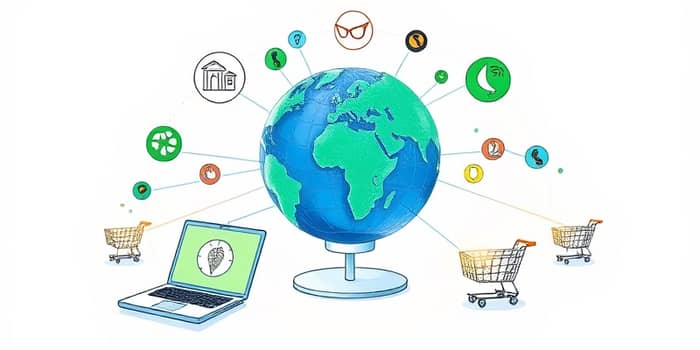
In an era where digital shopping dominates, ethical e-commerce emerges as a powerful movement reshaping online business landscapes. It prioritizes moral responsibility and holistic impact, moving beyond profit to foster a sustainable future.
This approach integrates transparency and accountability into every facet of operations, ensuring that businesses contribute positively to society and the environment. Consumers now demand more than convenience, seeking brands that align with their values and ethics.
By embracing ethical practices, entrepreneurs can cultivate trust and drive meaningful change, turning challenges into opportunities for growth. The journey towards social responsibility begins with a commitment to core principles that guide daily decisions and long-term strategies.
Core Principles of Ethical E-Commerce
At its heart, ethical e-commerce is built on foundational areas that define its moral compass. These principles ensure a balanced approach to business that respects people and the planet.
Key areas include data privacy, fair labor practices, and environmental sustainability. Each element contributes to a resilient framework that supports equitable digital access and positive societal value.
- Data Privacy: Protecting customer information with clear policies and compliance.
- Fair Labor Practices: Ensuring safe conditions and fair wages for all workers.
- Environmental Sustainability: Reducing emissions and minimizing waste in operations.
- Transparency and Honesty: Providing accurate product details and honest marketing.
- Social Responsibility: Supporting community causes and promoting diversity.
For instance, an ethical handmade crafts business sources materials locally and pays fair wages. This contrasts sharply with unethical models that exploit workers and mislead customers.
Advanced Strategies for Ethical Innovation
To stay ahead, businesses must adopt innovative strategies that enhance ethical practices. Advanced technologies and models offer new pathways to sustainability and efficiency.
Circular economy initiatives, such as product leasing, help reduce waste and extend product lifecycles. Blockchain technology enables greater traceability in supply chains, ensuring accountability from source to sale.
- Circular Economy: Implementing take-back programs and recycling efforts.
- Blockchain: Using distributed ledgers for supply chain transparency.
- AI Optimization: Applying artificial intelligence to cut logistics emissions.
- Impact Investing: Funding enterprises focused on social and environmental goals.
- Stakeholder Model: Shifting focus from shareholders to all involved parties.
Supply chain due diligence is critical, requiring mapping of global networks to identify risks like forced labor. This proactive approach builds resilience and fosters collaboration with suppliers for ethical outcomes.
Market Trends and Consumer Demand
Conscious consumerism is driving market trends, with shoppers increasingly opting for sustainable and ethical products. Businesses can leverage this demand through strategic marketing and transparent communication.
Analytics tools help track sustainable metrics, allowing companies to optimize sourcing and reduce environmental impact. Certifications like Fair Trade and B Corp serve as trusted markers of ethical commitment for consumers.
- Highlight ethical attributes such as organic or cruelty-free in product descriptions.
- Launch social campaigns that donate a percentage of sales to charities.
- Partner with influencers and activists to amplify ethical messages.
- Provide transparent responses to customer concerns with data and examples.
- Use ESG reporting to monitor and limit waste and emissions.
Marketing tactics must evolve to showcase ethical values without greenwashing. Authentic storytelling and community engagement build lasting connections and brand loyalty.
Examples of Ethical E-Commerce in Action
Numerous brands demonstrate how ethical principles can be successfully integrated into e-commerce operations. These examples inspire others to adopt similar practices for positive impact.
The following table highlights key ethical e-commerce brands and their notable practices.
These brands show that ethical e-commerce is not only viable but also profitable. Their success stories offer practical insights for businesses looking to make a difference.
Overcoming Challenges and Reaping Benefits
Implementing ethical practices comes with challenges, but the rewards far outweigh the efforts. Common issues include fairness in labor and managing environmental impacts like plastic waste.
Ethical AI must be developed with transparency to avoid discrimination and ensure accountability. Responsible sourcing reduces waste through eco-friendly packaging and sustainable materials.
- Build strong relationships with ethical suppliers for humane conditions.
- Give back to communities through charitable initiatives and partnerships.
- Obtain and display certifications to validate ethical claims.
- Use tools like checkout pop-ups to inform customers about emissions.
- Leverage analytics to track sustainable metrics and optimize practices.
The benefits of ethical e-commerce are profound and far-reaching. Businesses gain loyal customers and enhance their reputation through trust and advocacy.
- Builds trust and fosters customer advocacy for long-term loyalty.
- Enhances brand reputation and positions companies as industry leaders.
- Contributes to a more equitable society and greener future.
- Outweighs initial effort and resources with sustainable growth.
- Drives innovation and competitiveness in the market.
Global expansion amplifies ethical challenges, but with diligent implementation, businesses can navigate these complexities. The key is to start small and scale up, integrating ethics into core strategies for lasting impact.
Conclusion: A Call to Action
Ethical e-commerce represents a transformative opportunity to build businesses that do good while doing well. It requires a steadfast commitment to principles that prioritize people and the planet.
By adopting advanced strategies and learning from successful examples, entrepreneurs can create online ventures that inspire and benefit all stakeholders. The future of commerce lies in responsibility, where every transaction contributes to a better world.
Take the first step today by evaluating your current practices and setting ethical goals. Together, we can shape a digital economy that is fair, sustainable, and profoundly impactful for generations to come.
References
- https://prism.sustainability-directory.com/term/ethical-e-commerce/
- https://synder.com/blog/alternatives-to-amazon/
- https://petalandbloomtechmarketing.com/2024/04/27/building-an-ethical-e-commerce-business-a-guide-for-the-sustainable-entrepreneur/
- https://theretailexec.com/supply-chain/sustainable-ecommerce-brands/
- https://acowebs.com/ethical-ecommerce/
- https://verpex.com/blog/ecommerce-woocommerce-hosting/e-commerce-ethical-issues
- https://www.retailtouchpoints.com/topics/sustainability/ethical-commerce-what-it-is-and-why-its-important
- https://www.42signals.com/blog/ethical-e-commerce-the-rise-of-conscious-consumerism-and-the-role-of-e-commerce-analytics/
- https://www.competitormonitor.com/blog/ethics-in-e-commerce/
- https://www.salsify.com/blog/what-is-ethical-ai-in-ecommerce