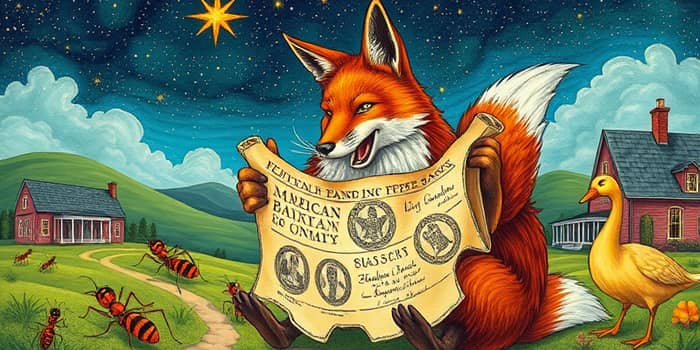
The annals of American finance are filled with colorful stories and enduring myths. From tales of rogue banks issuing worthless notes to beloved Aesop fables cautioning against greed, these narratives offer more than entertainment—they impart timeless money wisdom that resonates today.
Yet, history often paints a simplistic portrait of antebellum banking as dominated by unruly “wildcat” institutions. In reality, free banking laws varied widely in design and enforcement. By separating fact from fiction, we uncover unexpected financial pitfalls and the safeguards that can prevent them.
Wildcat Banking: Myth vs. Reality
Between the 1830s and 1860s, a handful of states saw banks spring up under free banking laws with minimal oversight. Popular lore brands them all as wildcats—issuing worthless notes and fleeing into the wilderness. However, true wildcats were confined to a few jurisdictions and arose from flawed legislation rather than free banking itself.
Michigan witnessed the worst outbreak during the Panic of 1837. Emergency provisions allowed new banks to operate for nearly a year without redemption tests, fostering fraud and perjury. Meanwhile, states like New York refined their laws, requiring robust collateral requirements and solid reserves, which led to remarkable stability.
Illinois sits in between: legitimate banks coexisted with those collapsing after the Civil War bond devaluations. Recoveries varied, underscoring that structure and supervision—not private currency itself—determine success.
Fables and Folklore: Animal Tales to Financial Wisdom
Long before formal banking, fables conveyed moral and financial lessons. By personifying animals and everyday characters, storytellers taught prudent behavior and highlighted meticulous regulatory oversight in human affairs.
- Ant and Grasshopper: Saving and planning for lean times.
- Goose that Laid Golden Eggs: Greed can destroy steady income.
- King Midas: Obsession with wealth brings ruin.
- Stone Soup: Cooperation turns scarcity into abundance.
- Miser: Hoarding value without use is wasteful.
These tales resonate because they expose cooperative community effort as the antidote to individual folly.
Modern Financial Fables and Contemporary Lessons
Children’s stories and modern allegories continue this tradition, adapting ancient wisdom to current contexts. The Federal Reserve Bank of Kansas City series uses charming bird characters to illustrate saving, budgeting, and credit management.
- Penny Pigeon and Missing Nest Egg: The importance of habitually saving.
- Oscar Ostrich Faces the Future: Planning for known and unknown risks.
- Shopping Wisely with Olivia Owl: Distinguishing needs from wants.
- Percy Peacock and Credit Crisis: The dangers of overreliance on borrowed funds.
These narratives emphasize steady savings habits and informed decision-making, showing young readers how valuable lessons can be woven into imaginative tales.
Timeless Themes: Preparing for the Future
Across centuries, certain themes recur: the virtue of saving, the perils of greed, and the power of collective action. Whether through free banking reforms or fabled animals, the core message remains: structure and discipline create resilience.
Regulated frameworks that require sound assets and enforce redemption standards prevent crises. Meanwhile, folklore reminds us that trust, honesty, and foresight are just as vital as legal mandates. Together, they form a dual shield against instability.
By studying both the successes and failures of free banking experiments and the allegories that shaped popular wisdom, individuals and policymakers can forge a more secure financial future. Ultimately, the past offers not only cautionary tales but also blueprints for sustainable growth.
Embrace these lessons to cultivate a financial culture grounded in prudence, collaboration, and long-term vision. In doing so, you carry forward enduring principles that bridge history and modern prosperity.
References
- https://www.cato.org/blog/fable-cats
- https://www.onemainfinancial.com/resources/everyday-living/financial-lessons-from-fairy-tales-and-fables
- https://www.im-financial.com/blog/financial-fables-timeless-money-lessons-from-classic-folklore
- https://www.federalreservehistory.org/essays/jekyll-island-conference
- https://www.moneymanagement.org/blog/important-money-lessons-from-classic-fables
- https://www.kansascityfed.org/education/fables/
- https://www.glassjacobson.com/blog/be-careful-what-you-wish-for-lest-it-come-true/
- https://www.boldin.com/retirement/most-foolish-financial-decisions-ever-made/
- https://theneighborhoodfinanceguy.com/lessons/