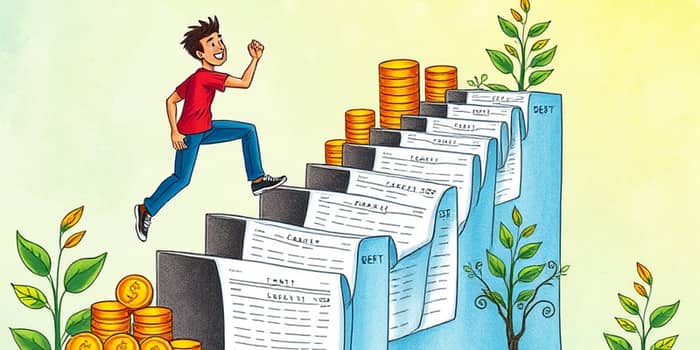
For years, I was trapped in a cycle of borrowing and repaying, my mind consumed by credit card balances and looming interest. Every paycheck felt like a battle, fought only to see the debt climb higher. I carried six-figure credit card balances, and the weight of that number defined my days. I knew something had to change when even a simple emergency threatened to send me into default. This was my wake-up call, the moment I decided to reclaim control and map out a path toward true financial independence.
My story bore resemblance to two pioneers who inspired countless others: Martha Menard, a former healthcare researcher who shattered her $100,000 burden and built a $44,000 annual dividend portfolio, and Jamie, the self-taught investor featured in Masters of the Market, who transformed staggering debt into $5,337 in monthly dividends. Their journeys offered a roadmap, but I soon discovered I needed my own strategy to fit the contours of my life.
Like Martha and Jamie, I discovered that structure alone wouldn’t suffice; I needed emotional anchor and accountability. I shared my intentions with close friends, seeking support during moments of doubt. Each small victory—be it paying off a credit card or receiving the first modest dividend check—became a reason to celebrate and renewed my resolve.
Recognizing the Turning Point
The moment I hit my personal rock bottom—when I saw $130,000 flashing on my credit report—felt like both an end and a beginning. I realized that debt was not just a number; it was a barrier to the life I envisioned. I experienced the same shock that Martha described as her “money wake-up call,” and I knew I had to overhaul my mindset before I tackled the numbers.
My family noticed the shift as well. Dinner conversations once dominated by financial stress gradually turned toward planning for vacation funds and retirement dreams. This shift in dialogue confirmed that a mindset change was under way, not just a budget overhaul.
I started by reframing debt as a series of challenges to overcome rather than a permanent prison. This simple shift allowed me to focus on solutions instead of guilt. I set a clear goal: eliminate all high-interest obligations and then pivot toward building a portfolio that delivered reliable income.
Building the Foundation: Debt Payoff Strategies
In this phase, I combined proven tactics with personal hacks. Early on, I focused on prevention and stabilization:
- Maintain a debt-to-income ratio under 30% and borrow only what you can repay
- Keep credit utilization below 20% and pay the full statement balance monthly
- Build a three-month emergency fund before accelerating debt payments
- Review loan terms and negotiate lower interest rates whenever possible
With these safeguards in place, I moved into aggressive payoff mode with momentum. I used a hybrid of avalanche and snowball methods, targeting highest-rate balances first while celebrating small wins on smaller debts. I automated payments and leveraged personal analytics to prioritize reductions that delivered the greatest long-term savings.
To accelerate my progress, I adopted advanced personal techniques: I consolidated multiple credit lines into a single lower-rate loan, mimicking business holistic accounts receivable practices. I also set up automated reminders and used predictive analytics in spreadsheets to forecast cash flow and avoid any missed payments.
Through consistent effort and periodic review, I eliminated every unsecured pound of debt in eighteen months, mirroring Martha’s milestone and celebrating my own Liberation Day.
Embracing Dividend Investing
Once debt was no longer a specter, I dedicated myself fully to the strategies that had propelled Jamie from insolvency to $5,337 in monthly dividends. My aim was to build an income engine through disciplined reinvestment and smart leverage.
My initial hesitation stemmed from never having invested beyond retirement funds. Yet, I realized that dividends were something I could both understand and harness. I calculated expected annual yields using Jamie’s formula—monthly return = annual distribution / average share price—and targeted stocks yielding over 5% to kickstart my plan.
I began with a clear framework:
- Select high-yield stocks and ETFs with stable distribution histories
- Stagger dividend dates across the month to ensure consistent cash flow
- Reinvest all dividends until reaching a sustainable reserve
- Use margin loans prudently to accelerate purchases without risking margin calls
Through this approach, I tapped into the power of compounding dividends. Each quarterly payout felt like a personal triumph as I celebrated growth in every account. To balance opportunity with caution, I structured a “pay train,” spacing out purchases and using limit orders to capture favorable prices.
Risk management guided every decision. I set maximum position sizes, monitored payout ratios for each company, and established clear sell rules for underperformers. Whenever a firm cut its distribution, I replaced that position to preserve my dividend-focused portfolio risk management.
Tracking Progress and Celebrating Milestones
Along the way, I created a simple dashboard to monitor key metrics. Seeing those numbers climb kept me motivated during market dips and personal setbacks. Here is an overview of my journey compared with my role models:
Every milestone felt monumental. When my monthly dividend total crossed $1,000, I marked it with a small reward—a weekend getaway—reminding myself these achievements fueled my long-term vision. My dashboard also highlighted trends, helping me adjust strategy during market corrections.
Mindset Shifts and Ongoing Growth
None of this would have been possible without a profound shift in how I viewed money. I stopped seeing it as a source of stress and embraced it as a tool for growth and impact. I joined investor communities like Blossom to exchange ideas, stay motivated, and find accountability, especially when critics doubted my approach.
As a woman investor, I encountered unique hurdles: occasional dismissal by male analysts and a shrinking pool of familiar mentors. Yet I found solidarity in forums and niche podcasts. This journey taught me that financial health and personal well-being are inseparable—empowerment in one sphere ripples into all areas of life.
Now, I wake every morning excited to see yearly dividend income growth posted to my accounts. My emergency fund stands at six months of expenses, and I have newfound freedom to explore passions, volunteer, and plan long-term travel without financial fear. I allocate a portion of my dividends to charitable causes, closing the loop from struggle to service.
If you’re ready to begin, remember: the path from distress to dominance unfolds one step at a time. Adopt the strategies that resonate, set clear goals, and watch as discipline and perseverance rewrite the limits you once believed defined you.
References
- https://www.youtube.com/watch?v=pc08GTdRfHA
- https://www.prodigaltech.com/ltblogs/effective-debt-collection-strategies-analysis
- https://www.youtube.com/watch?v=c6ymo-wo8kA
- https://www.highradius.com/resources/Blog/effective-debt-collection-techniques/
- https://www.kwm.com/global/en/insights/latest-thinking/div-recaps-have-your-cake-and-eat-your-portco-too.html
- https://ipscape.com/resources/blog/debt-collection-strategies-for-effective-recovery/
- https://simplyinvesting.com/podcast/
- https://www.symend.com/blog/advanced-strategies-for-more-effective-debt-recovery-ii
- https://www.ameriprise.com/financial-goals-priorities/personal-finance/effective-debt-management
- https://callminer.com/blog/50-debt-revenue-recovery-tips-developing-a-debt-revenue-recovery-strategy
- https://www.fico.com/blogs/debt-collection-strategies-solve-6-toughest-challenges
- https://consumer.ftc.gov/articles/how-get-out-debt
- https://nycollections.com/strategies-for-accountants-to-manage-and-recover-outstanding-debts/