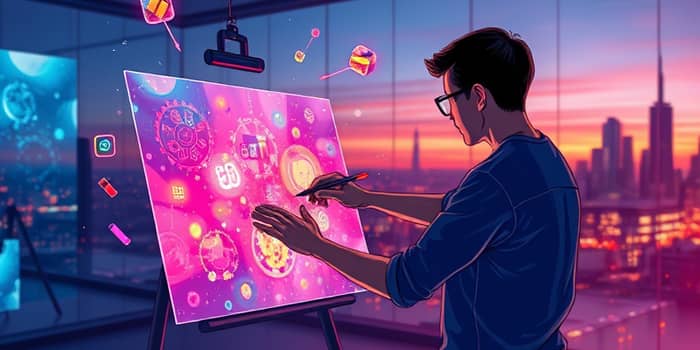
In an era where creativity meets technology, digital artists stand at the threshold of unprecedented opportunity. This article illuminates the path from concept to cash flow, equipping you with insights, strategies, and inspiration to thrive in the modern art economy.
Understanding the Digital Art Boom
The global appetite for digital art is skyrocketing. According to industry research, the digital artwork market is poised to expand from USD 5.8 billion in 2025 to USD 17.72 billion by 2032, at a staggering CAGR of 17.3%. Beyond pure digital creations, the broader online art market reached USD 11.09 billion in 2024 and is forecast to grow at 6.3% through 2033. Meanwhile, AI-driven tools are reshaping creative workflows, with the AI in art sector expected to leap from USD 3.2 billion in 2024 to over USD 40 billion by 2033.
These figures underscore a simple truth: pixels are no longer just images on screens—they’re valuable assets in a thriving global marketplace.
Who’s Buying Pixels Today
Consumer demographics are shifting rapidly. Gen Z and millennials are leading the charge, hungry for digital experiences and willing to invest in virtual assets. Art Basel’s 2025 report found that 68% of Gen Z women own digital artworks, compared to just 49% of Gen X women. This generational shift has unlocked a fragmented but expanding customer base, spanning global online communities and emerging markets.
- Individual collectors, including crypto-native buyers
- Galleries and museums hosting digital exhibits
- Auction houses embracing NFT sales
- Interior designers using digital prints
- Brands commissioning immersive campaigns
- Gaming studios sourcing environment art
Monetization Models: Turning Creativity into Income
From NFTs to education, digital art offers a myriad of ways to monetize talent. Each model comes with its own benefits and considerations:
- NFTs and blockchain royalties: Establish scarcity, automate resale commissions, and reach global buyers instantly.
- Commissioned work: Offer bespoke pieces for clients in advertising, publishing, or personal collections.
- Licensing and stock libraries: Generate passive income by licensing designs for merchandise, book covers, or marketing campaigns.
- Print-on-demand merch: Transform digital designs into apparel, home decor, and accessories with minimal overhead.
- Online courses and tutorials: Share expertise in digital painting, AI art tools, or generative design.
Practical Steps to Grow Your Digital Art Venture
While market data highlights potential, execution drives success. Follow this roadmap to build a sustainable art business:
- Develop a signature style: consistency builds recognition. Curate a portfolio that showcases your unique voice across platforms like Behance and ArtStation.
- Embrace AI tools: Use generative algorithms to accelerate ideation and refine compositions, while preserving your personal touch.
- Choose the right marketplace: Compare fees, audiences, and features on platforms such as OpenSea, Foundation, or specialized print services.
- Network strategically: Collaborate with fellow artists, participate in online forums, and attend virtual art fairs to expand your reach.
- Engage your community: Host live streams, run limited-edition drops, and reward loyal supporters with exclusive content.
Future-Proofing Your Art in a Shifting Landscape
The only constant in digital art is change. Staying ahead means anticipating emerging trends like AR overlays, VR galleries, and interactive installations. As smartphones unlock augmented art experiences, creators can merge physical and virtual worlds, offering collectors immersive journeys that transcend traditional formats.
Moreover, with AI integration deepening, artists who blend human creativity with algorithmic innovation will command premium valuations. Embrace experimentation, iterate on new mediums, and remember that adaptability is your greatest asset.
Finally, maintain ethical practices: respect copyright when training AI models, choose blockchain platforms with sustainable protocols, and foster inclusive communities that champion diversity of voices in digital art.
In the realm of pixels, imagination is your currency. By mastering both the creative and commercial dimensions of digital art, you can transform passion into profit, crafting a future where artistry and entrepreneurship flourish hand in hand.
References
- https://www.coherentmarketinsights.com/industry-reports/digital-artwork-market
- https://www.rootsanalysis.com/digital-art-market
- https://artsmart.ai/blog/ai-in-the-art-market-statistics/
- https://superagi.com/future-of-digital-art-trends-and-tools-shaping-ai-illustration-in-2025-and-beyond/
- https://www.grandviewresearch.com/industry-analysis/online-art-market-report
- https://www.artbasel.com/stories/digital-art-boom-gen-z-collectors?lang=en
- https://www.ubs.com/global/en/our-firm/art/art-market-research.html
- https://www.privatebank.bankofamerica.com/articles/art-market-fall-update.html