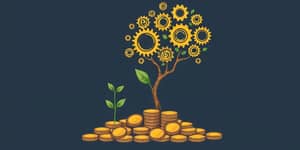
Whether you are just starting your financial journey or seeking to break free from limiting beliefs, the transition from a scarcity mindset to one of abundance can be life-changing. Countless individuals remain stuck in patterns of fear and competition, convinced that resources are limited and finite. Yet, by understanding how beliefs shape behavior, anyone can learn to cultivate a perspective that invites growth, opportunity, and shared success.
In this article, we will explore core definitions, scientific research, emotional and behavioral consequences, and practical strategies to help you embrace a mindset where the pie continually expands. By integrating psychological insights, real-world examples, and step-by-step guidance, you’ll discover how to make the shift from fear-driven decisions to empowered financial choices.
Definitions and Origins
The concepts of scarcity and abundance mindsets were popularized by Stephen Covey when he described belief systems that shape how we view resources, opportunities, and success. A Scarcity Mindset holds that wealth, recognition, and options are finite; if someone else gains, you lose—a zero-sum game worldview. In contrast, an Abundance Mindset assumes that opportunities can multiply, and success is not a limited commodity but an ever-growing possibility.
Understanding these definitions is the first step in recognizing how deeply they influence your financial choices and interpersonal dynamics. When you see the world through a lens of abundance, you naturally pursue collaboration, innovation, and long-term growth.
Psychology and Neurology of Scarcity
Research shows that scarcity thinking triggers a form of tunnel vision impairs your long-term planning. When the brain perceives a threat of shortage—real or imagined—cognitive bandwidth narrows, focusing all attention on immediate deficiencies. A notable Princeton University study found that worrying about basic needs can lower mental performance by 13 IQ points, equivalent to pulling an all-nighter. This dramatic drop highlights how powerful perceived scarcity can be.
Beyond reduced cognitive ability, scarcity induces stress, anxiety, and a defensive posture. Even when resources are objectively ample, merely believing they are scarce generates competition, envy, and guarded behavior. Understanding these neurological and emotional triggers helps explain why changing thought patterns is so critical.
Behavioral and Emotional Consequences
The impacts of both mindsets extend far beyond thoughts and emotions, driving our actions in measurable ways. Below is a breakdown of common outcomes associated with each mindset:
- Scarcity Mindset:
- Increased stress, depression, and anxiety
- Hyperfocus on immediate needs, ignoring future goals
- Hoarding resources, credit, or information
- Cutthroat competition in corporate and personal settings
- Abundance Mindset:
- Encourages gratitude and creative thinking
- Win-win solutions foster collaborative environments
- Reduces envy and paranoia
- Supports calculated risk-taking and resilience
Language, Framing, and Research Insights
The words we choose can reinforce or rewire our mindset. Scarcity-based language—terms like “costs,” “security,” and “status”—promotes a transactional, zero-sum perspective. By shifting our language from transaction costs to investment growth, we invite a more expansive financial outlook that fosters innovation and collaboration.
Quantitative insights solidify the power of framing. For example, changing your view from “fifty percent of nothing is still nothing” to “twenty percent of a lot is meaningful progress” leverages the abundance perspective to boost motivation and satisfaction. These simple mental reframes can result in tangible changes in decision-making and financial outcomes.
Real-World Illustrations
In corporate environments dominated by scarcity thinking, employees often hoard recognition, resist sharing credit, and focus on short-term metrics. Conversely, teams that embrace abundance share knowledge freely, support each other’s growth, and create cultures of innovation. This collaborative spirit ignites new ventures and multiplies success stories.
On a personal finance level, those with a scarcity mindset may fixate on debts and limitations, stalling investment opportunities. Adopting an abundance mindset encourages viewing money as a tool—investing in education, building relationships, and even charitable giving. In parenting and education, helping peers succeed rather than competing over scarce resources raises everyone’s potential, resulting in communities that thrive.
Practical Steps to Cultivate Abundance
Begin each day listing what you have by noting assets, relationships, or experiences that bring value. This gratitude practice rewires neural pathways toward abundance and away from chronic lack.
View failures as learning investments by reframing setbacks as opportunities to gain insight. Each challenge holds lessons that propel long-term growth.
Look for collaborative success opportunities in negotiations or partnerships. Helping others reach their goals often opens doors to new perspectives and resources.
Transform scarcity words into growth terms by auditing your inner dialogue. Replace deficit-oriented phrases with language that highlights expansion, innovation, and possibility.
Prioritize long-term investments over short-term gains by focusing on skills, relationships, and markets that can yield exponential returns over time.
Share resources to multiply overall value by offering your knowledge, credit, or assets. Generosity builds trust and ignites a cycle of mutual benefit.
Overcoming Common Barriers
Many people default to scarcity thinking because upbringing and culture shape your mindset to emphasize competition and limited rewards. Corporate environments or family backgrounds that stress survival over collaboration can reinforce these beliefs for years.
Additionally, a negativity bias or genuine financial hardship may anchor individuals in short-sighted, defensive behaviors. Recognizing these psychological and situational barriers empowers you to deliberately choose actions and language that foster abundance instead.
Conclusion
Shifting from a scarcity mindset to one of abundance is an ongoing journey that requires awareness, practice, and patience. By embracing research-backed strategies, reframing language, and taking concrete action steps, you can unlock creative solutions, foster deeper relationships, and achieve lasting financial well-being. Remember, the journey to abundance begins with a single choice: to believe that opportunities are waiting to be discovered and multiplied.
References
- https://www.catharticspacecounseling.com/blog/abundance-vs-scarcity-mindset-video-transcript
- https://www.strategiccoach.com/resources/the-multiplier-mindset-blog/mindset-matters-abundance-mindset-vs-scarcity-mindset
- https://freakonomics.com/podcast/do-you-have-a-scarcity-mindset-or-an-abundance-mindset/
- https://rightasrain.uwmedicine.org/life/relationships/scarcity-mindset
- https://influencemagazine.com/en/Practice/Scarcity-vs-Abundance
- https://debliu.substack.com/p/abundance-vs-scarcity-mindset
- https://www.youtube.com/watch?v=reQ1njJpN-Y
- https://www.headspace.com/mindfulness/there-will-always-be-more-overcoming-scarcity-mindset