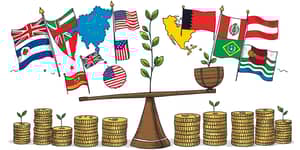
As we stand at the threshold of an era defined by rapid innovation and unprecedented global realignments, the question is not whether change will come, but how we will harness its power. These seismic shifts—shaped by geopolitics, technology, sustainability, and human resilience—demand that individuals, businesses, and governments adapt swiftly. In this guide, we explore the contours of tomorrow’s world and offer practical insights to transform uncertainty into opportunity.
Embracing the Shift in Global Power Dynamics
The balance of economic influence is tilting towards Asia and emerging markets at a pace unseen in modern history. Economists forecast that the BRIC nations will rival the original G-7 in GDP share by mid-century. Meanwhile, Gulf states and resource-rich economies benefit from elevated oil and commodity prices, creating a unprecedented transfer of economic power across continents.
For businesses, this means rethinking market strategies. Leaders should cultivate partnerships in high-growth regions and diversify supply chains to mitigate tariff shocks currently pushing rates from 2.4% to nearly 20%. Individuals can equip themselves by tracking currency fluctuations, learning new languages, and understanding local regulations where opportunities emerge.
Navigating Technological Transformation
Industry 5.0—the next evolution of manufacturing—places humans at the center of digitally enhanced production. With projected revenues surpassing USD 650 billion by 2030, this shift rests on collaborative robots, AI-driven quality assurance, and real-time IoT monitoring.
Organizations that embrace human-centered sustainable manufacturing will unlock productivity gains and foster safer workplaces. To prepare, teams must invest in upskilling programs for AI literacy, lean agile methodologies for rapid innovation, and cross-functional training that blends engineering, data science, and ethical design.
Accelerating the Clean Energy Revolution
The path to a carbon-neutral future is paved with record investments. Last year saw a record USD 2 trillion investment in renewable energy and related infrastructure, and forecasts predict clean energy capital will double fossil fuel investments by 2025. Solar, wind, battery storage, and green hydrogen are reshaping grids worldwide.
Green finance instruments—ranging from sustainability-linked bonds to ESG funds—now exceed USD 1 trillion annually. Consumers and investors alike can support this momentum by choosing renewable energy providers, backing green bond offerings, and advocating for corporate transparency in environmental reporting.
Adapting to Demographic and Urban Growth
By 2050, urban residents will swell to 68% of the global population, adding 2.5 billion people to city streets. Concurrently, the silver economy—driven by more than 265 million individuals over 80—will demand healthcare innovations and labor-saving solutions.
Smart cities, green buildings, and advanced mobility systems are not luxuries; they are necessities. Stakeholders should prioritize modular urban planning, invest in scalable healthtech platforms, and design age-friendly public spaces. Individuals can contribute by engaging in community planning forums and advocating for accessible infrastructure.
Steering the Mobility and Health Economy
Transportation is undergoing its own revolution. Electric vehicle adoption is set to soar above 20 million units in 2025, while shared and autonomous mobility services could constitute an USD 800+ billion market by 2032. These shifts promise lower emissions, reduced congestion, and unprecedented convenience.
In parallel, the wellness sector is expanding beyond reactive medicine into continuous, personalized preventive care. Wearables, telehealth platforms, and AI-driven diagnostics support a shift towards proactive healthcare. Embracing these tools—through corporate wellness programs and personal health monitoring—can yield long-term benefits for individuals and reduce systemic burdens on healthcare systems.
Equipping the Future Workforce and Ensuring Security
Adaptability, resilience, and digital fluency will define career success in the coming decade. Demand for green-collar roles—specialists in sustainable IT operations, renewable energy installation, and circular economy design—will skyrocket.
However, increased connectivity brings heightened risk. Cybercrime damages may exceed USD 10.5 trillion by 2025. Organizations must implement zero-trust architectures, continuous security training, and robust incident-response strategies. Individuals can safeguard their digital identities by adopting multi-factor authentication, regular software updates, and privacy-respecting services.
Cultivating Resilience in a Digital Decentralized World
The financial and economic landscape is evolving from centralized banking systems to decentralized, AI-enhanced networks. Blockchain technologies, digital currencies, and distributed ledgers promise greater transparency and inclusivity—but also regulatory and operational challenges.
To thrive, stakeholders should engage with pilot projects, collaborate with regulatory bodies, and explore tokenization of assets. This proactive approach fosters innovation while managing volatility and compliance risks. Embracing a mindset of continuous learning will be crucial as new protocols emerge.
Actionable Steps for Tomorrow’s Leaders
No single change will define the future; it will be the sum of countless decisions made today. To chart a course forward, consider these practical strategies:
- Invest in cross-disciplinary skill development—blend technology, ethics, and sustainability.
- Diversify partnerships across emerging markets to hedge geopolitical risks.
- Align capital with green finance instruments and renewable projects.
- Prioritize cybersecurity and data privacy in every digital initiative.
- Engage in local and global policy dialogues to shape inclusive regulations.
- Foster corporate cultures that value agility, resilience, and continuous learning.
The challenges ahead—climate change, demographic shifts, and technological disruption—are formidable. Yet within them lie immense opportunities to build a more equitable, sustainable, and prosperous world.
As individuals, teams, and societies, our collective future depends on our ability to adapt, innovate, and collaborate. By embracing these paradigm shifts with courage and foresight, we can transform tomorrow’s uncertainties into catalysts for enduring progress.
References
- https://www.startus-insights.com/innovators-guide/global-megatrends-full-guide/
- https://dionhinchcliffe.com/2024/01/18/a-comprehensive-guide-to-the-future-of-work-in-2030/
- https://www.youtube.com/watch?v=-FRnxHo_vZo
- https://www.weforum.org/publications/the-future-of-jobs-report-2025/
- https://trendsresearch.org/insight/the-world-economic-forum-2025-a-futuristic-vision/