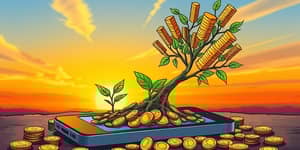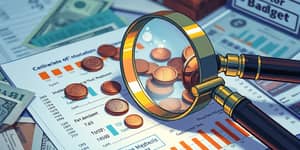
As global challenges intensify—from climate change to social inequality—investors are redefining success. Rather than focusing solely on financial returns, impact investors demand strategies that deliver measurable, positive social outcomes alongside profit. This balanced approach reshapes capital markets, forging a future where every dollar contributes to sustainable progress.
Impact investing sits at the intersection of capital and conscience, empowering individuals and institutions to channel funds toward transformative solutions. By integrating environmental and social goals into portfolio decisions, investors can generate long-term value for people and the planet.
Defining Impact Investing
Impact investing uses capital to achieve two goals: financial return and social or environmental benefit. Unlike philanthropy—where impact is the sole objective—and traditional investing—where returns reign supreme—impact investing gives equal priority to both. It also differs from ESG approaches that primarily aim to mitigate risk through screening.
This field emphasizes intentionality, measurement, and verified outcomes. Investors collaborate with stakeholders to articulate a theory of change, set targets, and select standard metrics, ensuring that their capital actively drives progress in areas like renewable energy, health, and equity.
Market Size and Growth Trends
The impact investing market has expanded rapidly. Global assets under management (AUM) now range between $1.57 trillion and $2.3 trillion, with $636 billion managed using robust impact management processes. Since 2019, the sector has enjoyed an average annual growth rate of 21%, accelerating to 29% growth per year since 2020.
- Institutional investors, family offices, and high-net-worth individuals are major participants.
- Leading financial institutions such as Goldman Sachs and Allianz offer dedicated impact funds.
- Thematic vehicles target climate resilience, biodiversity, and social equity.
Heightened interest in Sustainable Development Goals (SDGs) and favorable economic conditions post-2024 have further propelled demand for impact products, making this one of the fastest-growing segments in asset management.
Measurement and Management Frameworks
Accurate impact measurement is the cornerstone of effective investment. Without clear, measurable impact metrics, investors cannot validate results or refine strategies. Key frameworks include GIIN’s IRIS+, which standardizes performance indicators, and the Impact Principles, guiding more than $400 billion in assets.
Another critical tool is the Investment-to-Impact Ratio (IIR), which quantifies social and environmental benefits per dollar invested. Immersive data collection and constant feedback loops empower investors to optimize portfolios and maximize returns—both financial and societal.
- GIIN’s IRIS+ metrics measure greenhouse gas emissions, job creation, and more.
- Impact Principles provide a governance and management blueprint.
- IIR captures economic, social, and environmental value creation.
Despite progress, more than 90% of practitioners still struggle with data collection and reporting, underscoring the need for improved digital tools and standardized methodologies.
Sector Focus and Case Studies
Impact capital flows into diverse industries, each offering unique opportunities:
- Clean energy and climate tech
- sustainable agriculture and natural resources
- Affordable housing and healthcare access
For example, investments in African healthcare can yield approximately $0.70 in social benefits for every dollar invested over a decade, illustrating the power of focused capital in underserved regions.
Notable Statistics and Industry Context
These figures highlight both the scale of the market and the persistent challenges in measuring and communicating impact effectively.
Practical Steps for Impact Investors
Getting started in impact investing requires a structured approach. First, define clear objectives and develop a theory of change that links investments to desired outcomes. Engage beneficiaries, partners, and financial advisors to ensure goals are realistic and aligned.
Next, set quantifiable targets and choose appropriate metrics—such as GHG emissions reduced or jobs created. Then, monitor and manage performance continuously, adjusting strategies as new data emerges. Transparent reporting builds trust and attracts further capital.
Finally, use lessons learned to optimize future allocations. By embedding impact measurement into every stage, investors create a cycle of improvement that compounds social and environmental gains alongside financial returns.
Policy, Risks, and Future Outlook
Regulatory landscapes are shifting. Governments and international bodies increasingly require disclosure of environmental and social outcomes. This trend towards transparency can drive better data practices but also introduces compliance costs and complexity.
Looking ahead to 2025 and beyond, technological advances—like blockchain for impact tracking—and policy incentives will lower barriers to entry. As frameworks mature and standardize, impact investing is poised to become mainstream, empowering investors to make meaningful change without sacrificing performance.
In a world facing urgent challenges, impact investing offers a path to channel capital toward solutions that matter. By blending rigorous financial analysis with a steadfast commitment to measurable progress, you can ensure that your money not only grows—but transforms lives and safeguards the planet.
References
- https://blog.upmetrics.com/2025-impact-investors
- https://www.wifor.com/en/impact-investing/
- https://www.ifc.org/en/our-impact/impact-investing-at-ifc
- https://thegiin.org/publication/post/about-impact-investing/
- https://greenly.earth/en-us/blog/industries/impact-investing-all-you-need-to-know-in-2022
- https://www.weforum.org/stories/2025/10/measuring-impact-investing/
- https://thegiin.org/publication/research/state-of-the-market-2025-trends-performance-and-allocations/