Microfinance has emerged as a cornerstone for inclusive growth, reshaping the financial landscape for millions of underserved individuals around the world. By delivering essential financial tools such as microcredit, microsavings, and microinsurance, it bridges gaps left by traditional banking systems and fuels economic transformation.
Why Microfinance Matters
At its core, microfinance delivers financial inclusion and poverty alleviation to communities often excluded from formal banking. Over 1.4 billion adults worldwide lack access to a traditional bank account, and this exclusion perpetuates cycles of poverty and insecurity.
In 2023, the global microfinance market reached a value of $224.6 billion, and it is projected to soar to $506 billion by 2030, reflecting a compound annual growth rate of 12.3%. By 2034, the industry could exceed $797.11 billion, tripling its current size.
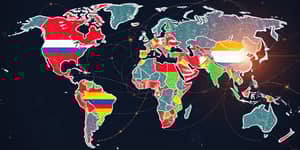
- Asia holds over 60% of global microfinance assets, led by India and Bangladesh.
- Latin America and the Caribbean command 16% of the market, with vibrant activity in Mexico and Bolivia.
- Sub-Saharan Africa served 18 million clients in 2023, marking a 12% year-on-year increase.
How Microfinance Works: Models and Mechanisms
Microfinance institutions (MFIs) employ a variety of lending models tailored to local contexts. Individual loans serve entrepreneurs directly, while solidarity group loans and village credit associations harness community trust to ensure repayment.
Beyond credit, MFIs diversify into microsavings, microinsurance, remittances, and financial literacy programs. This suite of services empowers clients to manage risk, build assets, and plan for the future.
Evidence of Impact: Numbers and Case Studies
Compelling data underscores microfinance’s role in economic development. Globally, MFIs have contributed to the creation of over 20 million jobs, fostering entrepreneurship and small business growth in low-income regions.
For instance, the BBVA Microfinance Foundation disbursed more than $17 billion in finance, lifting 70% of its clients above the poverty line within five years. Post-disaster regions have seen over $5 billion in microloans catalyze rebuilding efforts and restore livelihoods.
Social Transformation: Women and Marginalized Groups
Microfinance has been especially transformative for women, who often face the greatest barriers to formal credit. By offering targeted financial products and financial literacy training, MFIs increase women’s autonomy, decision-making power, and household welfare.
Over 10 million individuals have benefited from these literacy programs, enhancing financial discipline and planning skills that drive sustainable income growth.
Technology and the Future of Microfinance
The rise of digital micro-lending is reshaping the sector. Expected to grow by 30% globally by 2024, mobile-based platforms in Kenya and India demonstrate how digital wallets and remote credit assessments can reach remote clients at scale.
Emerging technologies such as artificial intelligence and blockchain are enhancing credit scoring accuracy and transparency, while FinTech partnerships reduce operational costs and expand rural outreach.
Challenges and Criticisms
Despite its promise, microfinance faces valid criticisms. Some studies report limited or adverse effects on long-term income and consumption in certain regions. Risks of over-indebtedness and predatory interest rates have marred the reputation of some for-profit MFIs.
Regulatory frameworks are uneven across countries, and flawed impact metrics can obscure actual development outcomes. Geographic barriers still prevent many rural clients from accessing MFI branches.
Role in Achieving Sustainable Development Goals
Microfinance directly advances multiple United Nations Sustainable Development Goals. By reducing poverty (SDG 1), promoting gender equality (SDG 5), and fostering decent work and economic growth (SDG 8), it serves as a linchpin for holistic development.
Key Stakeholders and Partnerships
Major players in the microfinance arena include the Grameen Bank, Accion, SKS Microfinance, and the BBVA Microfinance Foundation. Governments and multilateral institutions like the World Bank and Asian Development Bank provide vital regulatory support and funding.
The private sector, notably impact investment funds and FinTech startups, is increasingly collaborating with MFIs to scale innovation and reach new markets.
Emerging Trends and Future Prospects
Looking ahead, microfinance is set to expand into new regions and diversify products such as microinsurance and education loans. Continued digitalization will enhance resilience against economic shocks and reduce transaction costs.
By 2031, the industry may surpass $524.84 billion in market value, and by 2034, it could approach $800 billion. This trajectory underscores the sector’s potential to empower millions more and drive sustainable global growth.
As microfinance evolves, its core mission remains unchanged: to unlock the potential of the unbanked and build a more equitable economic future. Through innovation, collaboration, and steadfast commitment to inclusion, microfinance will continue to transform lives and communities across the globe.
References
- https://pmc.ncbi.nlm.nih.gov/articles/PMC10703631/
- https://coinlaw.io/microfinance-industry-statistics/
- https://www.weforum.org/stories/2024/09/microfinance-is-empowering-underserved-communities-in-the-gcc/
- https://www.fintechfutures.com/press-releases/global-microfinance-strategic-business-report-2024-market-to-reach-506-billion-by-2030-microenterprises-emerge-as-vital-driver-of-growth
- https://documents.worldbank.org/en/publication/documents-reports/documentdetail/107171511360386561/microfinance-and-economic-development
- https://www.maximizemarketresearch.com/market-report/microfinance-market/230628/
- https://academic.oup.com/oxrep/article/40/1/1/7630840
- https://ieg.worldbankgroup.org/reports/microfinance-critical-literature-survey