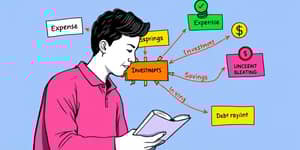
In an age of constant notifications and instant purchases, learning to spend with intention can be transformative. Purposeful, intentional decisions about money empower you to align daily habits with long-term aspirations. This article explores the principles, psychology, and practical techniques behind mindful spending, guiding you toward a more fulfilled and sustainable financial life.
What Is Mindful Spending?
Mindful spending means making each financial choice with awareness. Rather than acting on impulse or external pressure, you pause to reflect on whether an expense aligns with your core priorities. This practice involves being fully present during financial decisions and asking whether each purchase supports your values, goals, or genuine needs.
At its core, this approach transforms money into a tool that serves your highest intentions. It shifts consumption from an unconscious habit into a deliberate, values-driven process.
Why Does It Matter? Benefits & Evidence
Adopting mindful spending offers a range of benefits supported by research and real-world outcomes:
- Goal Achievement: Reduced impulse purchases free up resources for short- and long-term targets, such as travel, education, or home ownership.
- Reduced Financial Stress: Tracking and aligning spending lowers anxiety and fosters a sense of control over your money.
- Sustainability Impact: Fewer, more meaningful purchases reduce waste and the environmental toll of overconsumption.
- Psychological Well-Being: Mindful spenders report less regret and more moments of “happy money,” enhancing life satisfaction.
Studies show that individuals who practice financial mindfulness achieve higher credit scores and stronger savings rates. By confronting emotional triggers and avoiding the sunk cost fallacy, they navigate financial challenges with resilience.
The Psychology Behind Spending Habits
Understanding why we spend impulsively is crucial to changing behavior:
- Instant Gratification: The brain’s reward centers crave immediate pleasure, often at the expense of future goals.
- Social Influences: Advertising, social media, and peer comparisons create pressure to match external standards.
- Emotional Triggers: Stress, boredom, or sadness can prompt retail therapy, masking deeper needs.
Recognizing these drivers empowers you to replace unconscious spending with healthier coping strategies and intentional choices.
Steps to Implement Mindful Spending
Practical, actionable steps make mindful spending a sustainable habit. Begin with a clear framework:
- Create a values-based budget that reflects your true priorities, rather than default categories.
- Track expenses daily, using apps or journals to identify patterns and potential waste.
- Apply the “pause” technique: before any non-essential purchase, breathe, reflect, and ask if this aligns with your goals.
- Reduce temptation by unsubscribing from marketing emails and limiting social media browsing.
- Reflect regularly on past purchases: did they deliver lasting satisfaction or fleeting pleasure?
- Practice gratitude for what you already own to curb the urge for constant acquisition.
Tools, Strategies, and Exercises
Integrate these exercises to deepen financial mindfulness:
- No-Spend Challenges: Commit to a week or month of purchasing only essentials to reset habits and appreciate non-material joys.
- Financial Journaling: Record the emotions and motivations behind each expense to spot triggers and patterns.
- Goal Visualization: Create specific, time-bound objectives—such as building an emergency fund or saving for a vacation—to stay motivated.
These practices build self-awareness and transform spending into a conscious, meaningful act.
Challenges & How to Overcome Them
Changing financial habits is often challenging, but manageable with the right mindset:
- Habit Change is Difficult: Start small, celebrate progress, and practice self-compassion when setbacks occur.
- Managing Temptation: Curate your environment by removing saved payment details and unfollowing influencers who promote mindless spending.
- Dealing with Lapses: Treat occasional overspending as data for growth rather than failure, and adjust your plan accordingly.
Societal and Sustainability Considerations
Mindful spending extends beyond personal finance to broader ecological and social impacts. By prioritizing quality over quantity, you contribute to reduced resource consumption and environmental waste. Ethically sourced products and support for local businesses strengthen communities, aligning spending choices with a vision of collective well-being.
Case Studies and Real-World Outcomes
Empirical research and real-life examples illustrate the tangible gains of mindful spending:
These figures underscore how values-aligned spending fosters both financial stability and personal fulfillment. Case studies reveal reduced stress, fewer regrets, and a lasting sense of empowerment over one’s financial destiny.
Conclusion: The Value-Driven Financial Life
Mindful spending is not about restriction or deprivation—it is a path toward freedom and authenticity. By cultivating awareness and intentionality in every purchase, you ensure that your money reflects your values, supports your dreams, and contributes to a more sustainable world.
Start today by pausing before your next purchase, asking whether it truly feeds your highest priorities. In doing so, you open the door to a more aligned, confident, and fulfilled financial life.
References
- https://www.novunapersonalfinance.co.uk/hints-tips/money/mindful-spending/
- https://papers.ssrn.com/sol3/papers.cfm?abstract_id=4844933
- https://financialwellness.ucmerced.edu/news/2023/benefits-mindful-spending-how-break-paycheck-paycheck-cycle
- https://lifestyle.sustainability-directory.com/learn/what-role-does-mindful-spending-play-in-long-term-budget-adherence/
- https://zinniawealth.com/2024/07/05/the-psychology-of-spending-mindful-money-habits/
- https://www.dupaco.com/2025/05/14/mindful-spending-can-improve-habits-and-overall-savings/
- https://foreverbreak.com/lifestyle/mindful-spending/
- https://www.mckinsey.com/industries/consumer-packaged-goods/our-insights/future-of-wellness-trends
- https://www.simplemindfulness.com/mindful-spending-the-happy-way-to-financial-freedom/
- https://www.georgetown.edu/news/this-money-habit-can-revolutionize-your-finances/
- https://www.fidelity.ca/en/insights/articles/embrace-mindful-spending-with-no-spend-month/
- https://lifestyle.sustainability-directory.com/term/mindful-spending-habits/