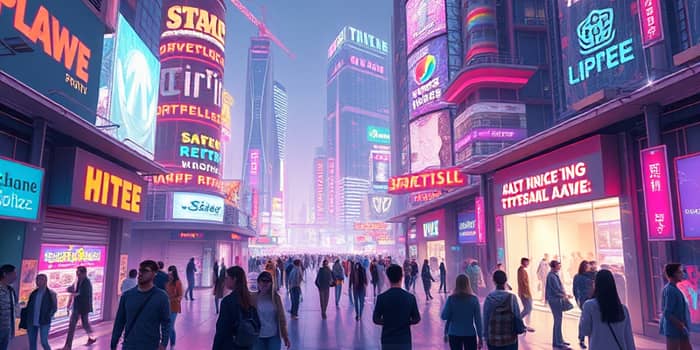
Welcome to an era where digital and real-life economies collide in exciting ways. As the Metaverse evolves beyond a buzzword, it unlocks unprecedented avenues for creativity, entrepreneurship, and exchange. This article delves into the practical paths anyone can take to transform virtual participation into real income, offering a comprehensive exploration of emerging models, key technologies, and strategic insights. Prepare to be inspired and equipped to thrive in these boundless virtual realms.
Exploring the Metaverse and Its Economic Promise
The Metaverse can be defined as a persistent, shared, 3D virtual space environments where users engage via avatars in games, social networks, commerce, and collaborative work. Powered by VR/AR, blockchain, and real-time 3D engines, these platforms range from Roblox and Decentraland to Horizon Worlds. While each maintains its own ecosystem, interoperability initiatives aim to let digital assets and currencies traverse multiple realms.
Economically, projections are staggering: the global Metaverse market may soar past $6.24 trillion by 2035, growing at a 45.3% CAGR. Meanwhile, virtual real estate alone, valued at $3 billion in 2024, could balloon to $54.95 billion by 2033. Such figures underscore why venture capital, brands, and individual creators are racing to claim value in these emerging digital territories.
Infrastructure, Technologies, and Economic Mechanisms
Underpinning these digital worlds are innovations such as blockchain, NFTs, and powerful 3D engines. Blockchain and NFTs enable verifiable digital asset ownership and transferability, granting scarcity to land parcels, wearables, and art. Game engines render lifelike environments, while interoperability protocols promise cross-world monetization and asset portability, breaking down platform silos.
Economic systems in these realms often feature decentralized economies and community governance via DAOs, where token-holders vote on land use or protocol updates. User-creators benefit from user-generated content revenue models, earning through sales, royalties, and access fees, all settled in platform tokens or direct fiat payouts.
- Sale of virtual goods and services
- Virtual property sales, rentals, and advertisements
- In-app purchases, tokens, and subscriptions
- Brand sponsorships, events, and experiential marketing
Asset-Based Earning Opportunities
Investing in virtual real estate is often the most talked-about avenue. Platforms like Decentraland and The Sandbox let users buy plots, develop commercial venues or entertainment hubs, and lease space for events. Savvy speculators can buy undervalued land, enhance it with interactive builds, and sell at a premium when demand spikes.
Beyond land, trading platform-native tokens—such as MANA, SAND, and AXS—offers speculative upside tied to platform growth and community adoption. Meanwhile, creators mint NFTs representing art, wearables, music, or access passes. By programming royalties into smart contracts, artists and designers earn a percentage on every secondary sale, fostering long-term passive revenue.
Skill-Based and Professional Earning Streams
The demand for experts who understand both virtual and real-world markets is rising fast. Individuals can serve as virtual real estate agents, guiding newcomers in land acquisitions, tenant relations, and pricing strategies, earning commissions for each successful transaction. Others build careers as metaverse marketers, crafting immersive ad campaigns and analyzing on-chain engagement metrics for brands.
- 3D modelers and VR architects
- Blockchain developers and smart contract engineers
- Game designers and UX/VR specialists
- Community managers and event producers
- Metaverse educators and consultants
Freelancers with skills in coding, design, or even songwriting can find opportunities creating custom experiences for corporations or individual investors. With the right portfolio and network, professionals position themselves at the nexus of creativity, technology, and commerce.
Experience-Based and Creator-Driven Earnings
A rapidly growing model is “play-to-earn” gaming, where developers monetize experiences through entry fees, in-game purchases, or token rewards. Platforms like Roblox and Axie Infinity reward creators and players alike, turning gaming hours into tangible income. Similarly, event production in virtual worlds—concerts, workshops, conferences—can attract sponsorship and ticket revenues.
Creators can host educational seminars, blending interactive 3D lessons with real-time feedback and exclusive digital assets. As virtual classrooms expand, instructors who blend pedagogy with immersive design unlock both student engagement and steady revenue streams.
Enterprise and Brand Engagement in the Metaverse
Enterprises are launching virtual storefronts, showrooms, and branded experiences to reach global audiences. Luxury brands like Gucci and Nike create limited-edition wearables and pop-up galleries. Retailers host product launches with virtual try-on features, while marketers leverage influencer avatars for promotions. By treating the Metaverse as a new sales channel, companies can tap younger, digital-native demographics.
Corporate adoption also includes interdepartmental training and remote collaboration spaces. Virtual headquarters reduce travel costs and foster social cohesion among distributed teams. As ROI metrics mature, these applications will solidify the business case for further investment.
Navigating Risks, Regulations, and Ethics
Despite promise, entering the Metaverse carries risks. Price volatility in tokens and real estate can wipe out speculative gains. Security challenges include smart contract vulnerabilities and fraud. Moreover, emerging regulations around digital assets, privacy, and intellectual property require careful compliance strategies.
Ethical considerations also surface: digital inclusivity, equitable access, and potential for addiction or exploitation. Responsible builders and policymakers must collaborate to establish standards, ensuring that this virtual frontier remains open, safe, and beneficial for diverse communities.
Future Trends: Shaping Tomorrow’s Virtual Economy
Looking ahead, we can expect deeper interoperability, with digital identities and wallets recognized across multiple platforms. AI-driven personalization will tailor experiences to individual preferences, and 5G advancements will drive smoother, more immersive interactions. Decentralized finance will integrate more tightly, enabling seamless credit, lending, and insurance products within virtual worlds.
Perhaps the most compelling narrative is one of empowerment. As individuals gain tools to monetize creativity, teaching, and social gatherings, the Metaverse evolves into a space where economic and cultural value are co-created by global participants. Now is the moment to explore, experiment, and carve your niche in this unfolding digital cosmos.
References
- https://www.shopify.com/blog/how-to-make-money-in-the-metaverse
- https://www.springpeople.com/blog/the-metaverse-in-business-opportunities-you-cant-ignore-in-2025/
- https://pangea.ai/resources/profit-from-metaverse
- https://pixelplex.io/blog/best-metaverse-business-opportunities/
- https://changelly.com/blog/top-metaverse-crypto-projects/
- https://www.coursera.org/articles/how-to-make-money-in-the-metaverse
- https://www.youtube.com/watch?v=lsN7-phpuSo
- https://mobidev.biz/blog/how-get-into-the-metaverse-business-opportunities
- https://www.sphericalinsights.com/blogs/top-50-metaverse-startups-to-watch-in-2025-market-strategic-insights-market-trends