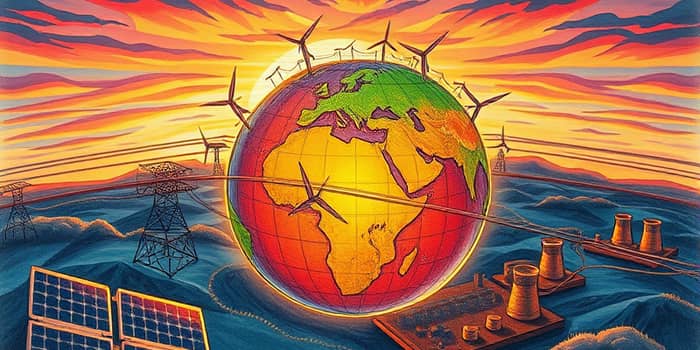
As we navigate 2025, the global energy arena stands at a crossroads of power, policy and purpose. Geopolitical tensions, economic uncertainties and climate ambitions intersect, forcing nations and industries to balance security, affordability and sustainability.
In this transformative era, every decision echoes across borders—shaping markets, alliances and the pace of the clean energy transition. Yet within this complexity lies opportunity: a chance to forge resilient systems and inspire collective action.
Navigating the New Energy Order
The roadmap for tomorrow’s energy transition is being redrawn. National strategies now fuse competing demands of energy security with rising climate commitments. Power plays—shifts in alliances, trade disputes and tariff battles—reshape supply chains and investment flows.
Amidst these shifts, countries are racing to shore up domestic sources, diversify imports and protect critical infrastructure. From U.S. data centers driving electricity demand to Russia pivoting toward Asia, the stakes have never been higher for policy makers and corporate leaders.
Embracing Renewables: Opportunities and Challenges
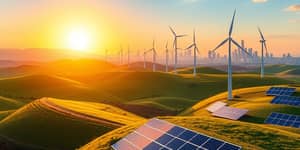
Renewables have surged: solar PV capacity tops 3,000 GW, wind and solar now generate more than a third of primary energy supply projections by 2060. This scale-up has already avoided over 110 gigatonnes of emissions.
To harness this momentum, stakeholders should:
- Invest in grid modernization and storage solutions to accommodate variable output
- Streamline permitting processes and provide clear policy frameworks
- Foster public–private partnerships for large-scale solar and wind projects
- Promote community-owned clean energy schemes to boost local buy-in
Yet challenges remain: supply chain bottlenecks, rare earth dependencies and uneven policy support risk slowing progress. Strategic planning and innovation will be key to overcoming these hurdles.
Bridging the Gap with Emerging Technologies
Beyond wind and solar, a suite of innovations promises to reshape the mix. Investments in small modular reactors (SMRs) are rising, offering stable baseload power while phasing out coal. Meanwhile, carbon capture advances aim to decarbonize natural gas and LNG, challenging the notion of fossil fuels as a permanent fixture.
- Advanced nuclear and SMRs for reliable clean baseload
- Carbon capture and storage to curb emissions from gas plants
- Behind-the-meter solar and battery solutions for homes and businesses
- Green hydrogen as an emerging versatile energy carrier
- AI-driven optimization for grid and demand management
By integrating these technologies, energy systems can become more flexible, secure and low-carbon—enabling a smoother transition away from traditional fuels.
Strategies for Energy Security and Geopolitical Resilience
Energy security has taken center stage. Policymakers are prioritizing resilience, ensuring that conflicts or supply disruptions don’t cripple their economies. For companies and governments alike, the playbook includes:
- Diversifying imports across multiple regions and suppliers
- Boosting domestic production of renewables and strategic fuels
- Expanding strategic reserves and storage facilities
- Strengthening international collaboration on infrastructure and technology
These measures, underpinned by robust intelligence and scenario planning, help navigate a landscape marked by sudden shocks—from pipeline closures to tariff escalations.
A Global Call to Action
Today’s energy challenges demand holistic solutions. Nations, businesses and communities must adopt a holistic approach that bridges policy and innovation. Investors should align capital with projects that bolster both security and sustainability. Communities can advocate for local clean energy initiatives, reducing dependence on distant suppliers.
Corporations have a unique role: by setting ambitious targets, investing in emerging technologies and engaging transparently with stakeholders, they can drive the market toward a more stable and equitable energy future.
Finally, individuals can make a difference—choosing energy-efficient appliances, supporting renewable programs and staying informed about policy debates. Small actions aggregated across millions can catalyze major shifts.
Looking Ahead
By 2050, electricity could account for 43% of global energy demand, with non-fossil sources supplying the lion’s share. Yet this vision depends on decisions made today. We stand at a pivotal moment, where strategic foresight and collaborative spirit can turn geopolitical friction into opportunities for resilience and progress.
As the power plays unfold, let us embrace innovation, champion diversity in supply and renew our commitment to a clean, secure energy future—together.
References
- https://www.oxfordenergy.org/publications/key-themes-for-the-global-energy-economy-in-2025/
- https://www.energyinst.org/statistical-review
- https://www.weforum.org/stories/2025/06/shifting-energy-markets-geopolitics/
- https://kpmg.com/ie/en/insights/energy-utilities-telecoms/statistical-review-of-world-energy-2025.html
- https://www.dnv.com/energy-transition-outlook/2025/
- https://www.mckinsey.com/industries/energy-and-materials/our-insights/global-energy-perspective
- https://www.eia.gov/outlooks/aeo/
- https://www.rff.org/publications/reports/global-energy-outlook-2025/
- https://kpmg.com/xx/en/our-insights/risk-and-regulation/top-risks-forecast/energy.html
- https://www.jpmorgan.com/insights/sustainability/climate/power-rewired-energy-and-geopolitics