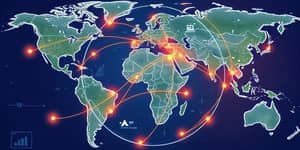
In an increasingly interconnected world, competition for natural resources shapes identity, power, and prosperity. Nations, corporations, and communities vie for control over energy, minerals, water, and fertile land. Understanding these dynamics is essential for fostering stability, equity, and sustainable growth.
Understanding the Fundamentals of Resource Geopolitics
At its core, resource geopolitics examines how geography and political power intersect in the struggle to secure raw materials. The uneven geographic distribution of resources creates strategic leverage, trade dependencies, and potential conflicts. Energy (oil, gas, coal, uranium), critical minerals (lithium, cobalt, rare earths), water, arable land, and biological assets like fisheries all factor into national strategies.
Key variables include scarcity, concentration in a few countries, and the fragility of supply chains. For example, China controls over 90% of global rare earth element processing, while Russia’s natural gas pipelines link directly into European economies. These imbalances enable powerful actors to exert influence through embargoes, price spikes, or exclusive supply agreements.
Vital energy and mineral supplies underpin modern industry, defense, and green transitions. From electric vehicle batteries to semiconductor manufacturing, advanced economies depend on stable access to these inputs. Conversely, producing nations seek to maximize returns, secure investments, and build domestic value chains.
Key Categories and Vulnerabilities
Historical Evolution and Modern Shifts
Historically, resource control focused on territorial conquest and colonial plunder. Trade routes for spices and silks in pre-modern eras foreshadowed current pipelines and shipping lanes. The 1973 oil embargo demonstrated how supply cutoff could reshape global politics overnight, triggering recessions and energy policies.
In the post-1970s era, major powers adopted "permissive trade access"—exerting influence through investments, resource-for-infrastructure deals, and corporate partnerships rather than direct rule. The Soviet Union forged ties in Africa and the Middle East; today, China’s “go out” policy secures petroleum, minerals, and agricultural products worldwide.
The early 21st century witnessed a resource boom, with global trade volumes rising by over 50% in a decade. Coal, iron ore, palm oil consumption grew at 5–10% annually, while oil, copper, wheat, and rice rose 2% per year, driven by demand from China and India. This surge reinvigorated strategic competition over raw materials.
Major Players and Strategies
A handful of state and non-state actors dominate the landscape. Their methods range from coercive leverage to diplomatic engagement and technological innovation.
- Russia: Employs energy exports as a political weapon, cutting gas supplies to extract concessions.
- China: Utilizes massive investments and purchase agreements to lock in resources and drive up global prices.
- Emerging Consumers: India and Southeast Asian nations diversify sources but face competition for limited supplies.
- Resource-Rich Nations: Brazil, Argentina, and Australia implement conservation measures and ownership limits to protect sovereignty.
- Multinational Corporations and NGOs: Influence extraction practices, governance standards, and environmental safeguards.
Current Challenges and Emerging Risks
Today’s resource landscape is marked by growing fragility and unpredictability. Strategic chokepoints like the Strait of Hormuz and crop-exporting regions in the Nile basin remain flashpoints. Technological advancements in extraction—such as deep-sea mining—raise ecological concerns and legal disputes.
The transition to green energy elevates minerals like lithium and cobalt to strategic importance. As electric vehicle and renewable energy industries expand, competition intensifies, and price volatility spikes. Water stress, driven by climate change, exacerbates tensions in already vulnerable regions, fueling disputes over river access and fisheries.
- Concentration Risks: Single-country dominance exposes importers to sudden cutoffs.
- Supply Chain Disruptions: Natural disasters, political unrest, and pandemics interrupt logistics.
- Environmental Degradation: Overextraction undermines long-term productivity and social stability.
- Emerging Flashpoints: Arctic claims, African conflict minerals, deep-sea legal battles.
Practical Approaches for Building Resilience
Governments, businesses, and communities can adopt strategies to mitigate risks and promote equitable resource governance. By leveraging supply chain resilience measures and adopting diversified sourcing and storage, stakeholders can reduce vulnerability to shocks.
Key recommendations include:
- Investing in strategic reserves and regional stockpiles to buffer short-term disruptions.
- Investing in sustainable extraction technologies that minimize environmental harm and foster local buy-in.
- Promoting transparent governance frameworks and international cooperation on resource sharing.
- Supporting research into alternative materials and recycling to lessen dependency.
Companies should perform rigorous risk assessments, engage with host communities, and incorporate environmental, social, and governance (ESG) criteria into decision-making. Policymakers can negotiate multilateral agreements, invest in domestic processing capabilities, and fund innovation in resource-efficient technologies.
Conclusion: Charting a Sustainable Path Forward
Resource geopolitics is no longer a distant academic concept—it directly impacts global security, economic growth, and environmental sustainability. By understanding the critical component of global security that resources represent, societies can craft policies and practices that balance national interests with shared prosperity.
Building resilience requires collaboration across borders and sectors. Whether through diversified supply chains, green innovation, or strengthened governance, every actor has a role in shaping a fairer, more stable resource future. As competition intensifies, the most adaptable and cooperative approaches will define the next era of international relations.
References
- https://insight.dickinsonlaw.psu.edu/cgi/viewcontent.cgi?article=1092&context=jlia
- https://pollution.sustainability-directory.com/term/geopolitics-of-resources/
- https://www.waldenu.edu/online-masters-programs/master-of-public-administration/resource/what-is-geopolitics-what-everyone-with-a-public-policy-degree-should-know
- https://www.americasquarterly.org/fulltextarticle/the-geopolitics-of-the-modern-resource-boom/
- https://climate.sustainability-directory.com/area/resource-geopolitics/resource/3/
- https://en.wikipedia.org/wiki/Geopolitics
- https://www.savemyexams.com/a-level/geography/aqa/18/revision-notes/11-resource-security/11-2-natural-resource-issues/11-2-3-geopolitics-of-resources/
- https://www.cfainstitute.org/insights/professional-learning/refresher-readings/2026/introduction-geopolitics