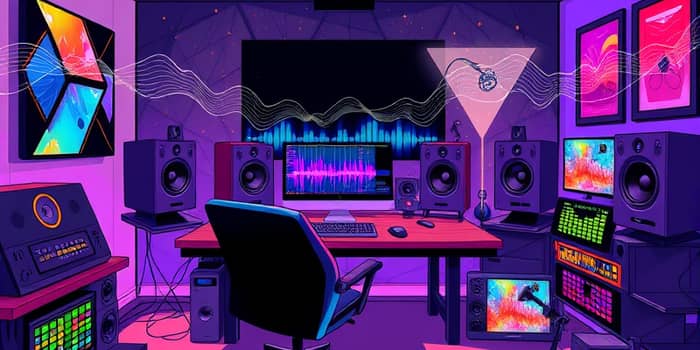
In an era where every experience is enhanced by sound, audio professionals can transform their skills into thriving online ventures. With the right strategies and insights, sound designers can tap into diverse industries and emerging technologies to generate income sustainably.
Market Size & Growth
The global sound design market is experiencing robust expansion, fuelled by growing demand across film, gaming, music, theater, and immersive experiences. Industry forecasts predict a steady CAGR from 2025 through 2031 as multimedia content proliferates worldwide.
Meanwhile, the consumer audio market, encompassing hardware, software, and creative content, is projected to reach $219 billion by 2030. Personalized listening experiences, sustainable products, and next-generation immersive formats serve as the primary drivers behind this remarkable growth.
As streaming platforms, virtual events, and interactive media become mainstream, sound designers are presented with unprecedented opportunities to serve a global audience hungry for high-quality audio.
Industry Segmentation & Key Trends
Sound design and audio production span multiple applications and service types, each offering unique pathways for monetization:
- By Application: Film, Theater, Music, Gaming, Advertising, Retail, Virtual Events
- By Service Type: Equipment rental, Recording, Mixing, Sound Design, Mastering
Across these segments, several trends are reshaping the landscape:
Immersive audio and spatial sound elevate user engagement in VR and gaming. AI-driven tools accelerate workflows with auto-mixing, stem separation, and adaptive processing. Sonic branding evolves into complex aural ecosystems for brands seeking unique auditory identities. Remote collaboration empowers creators to form global partnerships without geographic limits. Sustainability initiatives and eco-friendly studio practices align audio production with environmental values.
Monetization Avenues for Audio Skills
Exceptional audio professionals can diversify their income streams by leveraging online platforms and emerging markets:
- Freelancing on Upwork, Fiverr, SoundBetter: Secure projects for bespoke music, sound effects, and audio briefs.
- Content Sales & Licensing: Distribute sound libraries and custom tracks via stock platforms or direct-to-client stores.
- Online Courses & Training: Teach mixing, mastering, and sound design on Udemy, Skillshare, or proprietary websites.
- Streaming & Podcasts: Host original shows and monetize through sponsorships, listener subscriptions, and ad revenue.
- Remote Studio Services: Offer mixing, restoration, and immersive audio production to clients anywhere in the world.
- Game Audio Outsourcing: Partner with specialized audio companies to work on high-profile interactive titles.
By combining multiple avenues, specialists can build resilient revenue models and scale their businesses progressively.
Salary Statistics & Regional Income
Compensation varies by region and role, reflecting differences in demand, cost of living, and industry maturity. Below is a snapshot of average earnings for game and audio professionals:
Freelance composer rates continue to rise as outsourcing demand grows, offering project-based and per-minute pricing models that reward efficiency and creativity.
Technology Shifts & Essential Tools
The rapid evolution of audio technology shapes how professionals work and monetize services online. Key platforms and tools include:
Digital Audio Workstations (DAWs): Industry standards such as Pro Tools, Logic Pro, and Ableton Live integrate AI enhancements for intuitive workflows. Cloud-based DAWs enable real-time collaboration and direct-to-client delivery.
AI Plugins & Automation: Intelligent processors handle noise reduction, dynamic mixing, and style matching, freeing designers to focus on creative decisions and emotional intent.
Blockchain for Rights Management: Secure royalty tracking and transparent licensing arrangements protect creators’ intellectual property in a global marketplace.
Immersive Audio Formats: Dolby Atmos, spatial audio engines, and 360° sound systems drive demand for professionals skilled in multi-dimensional soundscapes.
Challenges & Emerging Opportunities
Despite lucrative prospects, audio entrepreneurs face several hurdles in the online marketplace:
- Rising operating costs: Equipment investments, software subscriptions, and marketing expenses can erode profit margins if not managed strategically.
- Constant upskilling required to master immersive formats, AI tools, and new distribution channels.
- Complex copyright and licensing regulations demand careful navigation to avoid disputes and lost revenue.
By turning challenges into opportunities—such as offering specialized training in immersive audio, consulting on sustainable studio design, or providing royalty consulting services—sound designers can differentiate themselves and command premium rates.
Conclusion
The sound design landscape in 2025 and beyond is defined by innovation, global connectivity, and diverse revenue channels. Professionals who embrace technological advances like spatial audio and AI automation, diversify their income streams, and continuously refine their skillset will thrive in this dynamic environment.
Whether you are a seasoned audio engineer or an aspiring freelance composer, the path to success lies in strategic planning, leveraging online platforms, and crafting unforgettable auditory experiences. Start building your online presence today, and transform your passion for sound into a sustainable, rewarding career.
References
- https://infinitymarketresearch.com/report/sound-design-market/11102
- https://www.nextmsc.com/blogs/whats-shaping-the-consumer-audio-market-in-2025
- https://www.anythingresearch.com/industry/Sound-Recording-Studios.htm
- https://www.gamesoundcon.com/post/gamesoundcon-game-audio-industry-survey-2025
- https://blog.prosoundeffects.com/audio-trends-for-2025
- https://www.lucidsamples.com/blog/anticipated-music-industry-trends-in-2025-navigating-the-future-of-sound
- https://www.creativeboom.com/insight/key-trends-in-audio-visual-design-whats-next-for-2025/
- https://beverlyboy.com/film-technology/sound-design-trends-2025-spatial-audio-and-beyond/