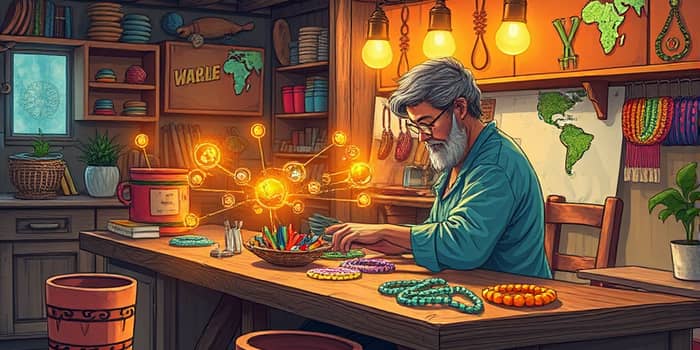
In a world awash with mass-produced items, handcrafted goods have emerged as beacons of authenticity and personal connection. Artisans who once relied on local markets and craft fairs are now leveraging digital platforms to reach customers across continents. This shift is not only transforming individual livelihoods but also reshaping the global market.
By embracing online channels, makers can tell stories woven into every stitch, carve, and brushstroke. The journey from workshop to worldwide audience is paved with both challenges and unparalleled opportunities.
Global Market Growth: A Canvas of Opportunity
The global handicrafts market hit over USD 739.95 billion in 2024 and is forecasted to surge to USD 983.12 billion by 2030. Alternative projections even estimate the sector soaring to USD 2.4 trillion by 2032. Such numbers underscore the immense potential for sustained revenue growth in this creative industry.
Between 2025 and 2029, analysts predict a compound annual growth rate of up to 14.1%, fueled by rising demand for unique, eco-friendly products. In the U.S., market valuations range from USD 199.47 billion by 2030 to USD 319.4 billion in 2024, with some forecasts pointing to USD 666.3 billion by 2033. These varied estimates highlight both the dynamism and regional nuances of the handcrafted goods market.
E-commerce Revolution: Bridging Artisans and Buyers
The digital transformation of commerce has been nothing short of revolutionary for artisans. Online platforms now serve as virtual marketplaces where makers can connect directly with consumers, bypassing traditional retail hurdles and intermediaries.
- Etsy, Amazon Handmade, Shopify, Alibaba lead the charge, each offering tools for storefront customization and global shipping.
- Social media engagement strategies like Instagram Stories and Pinterest boards showcase products and drive traffic.
- Live streaming and influencer collaborations create interactive shopping experiences that bolster trust and conversion.
Post-pandemic consumer behavior has emphasized convenience and safety, cementing online shopping as the primary channel for handcrafted goods. Real-time feedback, data analytics, and tailored marketing campaigns empower artisans to refine their offerings and optimize customer satisfaction.
Consumer Behavior: The Soul of the Market
Today’s buyers are not just seeking objects; they crave meaning and connection. Sustainability and ethics top the list of purchase drivers as consumers prioritize eco-friendly and ethically sourced goods. Approximately 79.3% of artisans now leverage social media to share their sourcing stories, highlighting transparent supply chains and community impact.
Personalization has also become a cornerstone of the handmade market. About 12% of sales originate from custom orders, with buyers ready to pay premium prices for unique personalization requests. Generational shifts further fuel demand: Millennials and Gen Z view handcrafted items as trendy, sustainable lifestyle choices and are drawn to narratives that celebrate craftsmanship.
Popular Categories and Pricing Insights
Understanding the most sought-after product categories and pricing dynamics is crucial for setting competitive yet profitable rates. Trending segments include:
- Handmade jewelry featuring ethically sourced gemstones and recycled metals
- Organic, natural skincare products infused with botanical extracts
- Home décor and woodwork that blend rustic charm with modern design
- Fashion accessories like candles, bags, and handwoven textiles
- Glassware items recognized as a fast-growing U.S. category
To guide pricing strategies, consider this breakdown:
Crafting a Strategy: Building Your Brand
Creating a powerful brand identity involves more than just aesthetics. Storytelling, authenticity, and emotional resonance are key. By weaving cultural heritage, personal anecdotes, and behind-the-scenes glimpses into your marketing, you forge deep emotional connections with buyers.
Effective marketing and sales channels include email campaigns (used by 70.2% of makers), in-person events (43.2%), phone outreach (37.3%), website live chat (30.7%), and messaging apps (29.2%). Each touchpoint provides a chance to reinforce your narrative and showcase the value of handmade quality.
Best-practices for emerging entrepreneurs:
- Identify trending niches through market research and social listening.
- Source materials from eco-conscious suppliers to strengthen your sustainability claim.
- Set strategic pricing based on production costs, perceived value, and competitor analysis.
Embracing Technology and Innovation
Artisans are increasingly tapping into technology to enhance production and marketing. AI-powered personalization tools recommend products based on buyer preferences, while blockchain solutions ensure authenticity verification of each piece.
Influencer partnerships and user-generated content campaigns amplify reach and foster community engagement. By encouraging customers to share unboxing experiences and styling tips, makers create organic buzz that translates into sales.
Challenges and the Road Ahead
Despite soaring demand, artisans face hurdles like price competition from mass-produced alternatives, complex supply chain logistics, and visibility challenges in an increasingly crowded marketplace. Overcoming these obstacles requires a dual focus on innovation and resilience.
Maintaining a presence at offline venues such as craft fairs and pop-up shops can provide invaluable tactile experiences for customers. These in-person interactions not only drive sales but also build lasting relationships and word-of-mouth referrals.
Looking ahead, urban lifestyle shifts and cultural preservation efforts will continue to elevate handcrafted goods. As governments and communities recognize the socio-economic importance of artisan crafts, support programs and grants will further empower makers.
The future of handcrafted commerce shines brightly. Armed with digital tools, compelling narratives, and unwavering passion, artisans can carve out niche markets, preserve cultural heritage, and achieve financial independence. By blending tradition with innovation, the journey of every handcrafted piece becomes a story of creativity, resilience, and global connection.
References
- https://www.grandviewresearch.com/industry-analysis/handicrafts-market-report
- https://www.amraandelma.com/handmade-products-marketing-statistics/
- https://blog.yazati.com/the-growing-demand-for-handmade-craft-products-in-2025/
- https://www.futuredatastats.com/artisan-product-market
- https://www.imarcgroup.com/united-states-handicrafts-market
- https://www.technavio.com/report/handicrafts-market-industry-analysis
- https://customcy.com/blog/craft-handmade-stats/
- https://www.rainpos.com/blog/craft-industry-trends
- https://www.thebusinessresearchcompany.com/report/arts-and-crafts-global-market-report