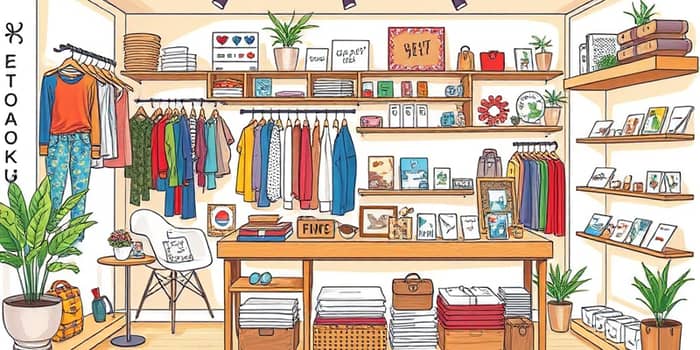
In an era of endless choices, the art of curation offers a beacon of clarity. By carefully selecting, presenting, and promoting products, curators craft an experience that feels tailored and intentional.
This article explores how curated collections can not only delight customers but also unlock new revenue streams and foster lasting loyalty.
Definition & Positioning
Product curation is more than assortment; it is the process of collecting products, displaying a selection, and helping people make the right decision. It involves sourcing, editing, and merchandising items so they form a cohesive narrative aligned with customer needs.
Unlike the “everything store” model, which overwhelms with infinite choice, a curated collection offers limited but highly relevant options that effortlessly removes decision fatigue and overwhelm. This model communicates taste, values, and expertise, fostering trust.
Why Curated Collections Matter Now
Consumers today face an avalanche of information, products, and services. Curated assortments cut through cluttered retail options, guiding shoppers toward what truly matters.
- Abundance of options increases search costs and indecision.
- Curators serve as trusted guides, interpreting quality and relevance.
- Hand-picked selections resonate with defined customer segments.
- Personalized experiences drive satisfaction and repeat visits.
When done well, curation increases engagement, satisfaction, and sales, building brand loyalty because customers feel, “This is for me.” Conversely, poor curation leads to frustration and lost revenue.
Earning Models for Curators
Curated collections can generate income through multiple avenues, from direct sales to affiliate commissions and premium services. Below is an overview:
Direct commerce relies on selling curated assortments—seasonal edits or themed bundles like “Spa Day Essentials”—to command premium pricing and boost average order value.
Affiliate-driven curation, exemplified by sites like Wirecutter, allows curators to earn commissions without holding inventory. By offering expert commentary and in-depth reviews, curators guide purchases and monetize recommendations.
Subscription and sponsored models tap into exclusivity: paid newsletters, members-only discounts, or sponsored placements for brands that align with the curator’s criteria and audience expectations.
Service-based and B2B curation transforms expertise into bespoke offerings: corporate gift sets, school curriculum book bundles, or decor packages for coworking spaces. Clients pay for both selection and convenience.
Anatomy of Effective Curation
- Customer personas & needs
- Market research & trend analysis
- Ruthless editing & storytelling
- Smart categorization & personalization
The process begins with robust customer personas. Demographics, psychographics, and buying motivations form the foundation of each curated selection. Identifying whether a product meets persona needs ensures every item resonates.
In-depth market research uncovers demand gaps and emerging trends. Tools like wholesale platform filters, Pinterest mood boards, and trend reports help curators find makers aligned with their audience’s values.
At the heart of curation is the art of exclusion: the no decisions are as vital as the yes. By editing ruthlessly, curators reinforce their brand of taste and build credibility.
Smart categorization and merchandising make discovery intuitive: thematic collection pages, advanced filtering by price or feature, and personalized sorting ensure that the most relevant products surface first. Integrating advanced automated sorting algorithms can yield a 30% year-over-year increase in add-to-cart rates, as seen in brands like Yellow Shoes.
Inspiring Examples & Case Studies
Wirecutter pioneered trust-based curation, offering rigorous reviews and earning significant income through affiliate partnerships. Its reputation for thorough testing cements customer confidence in every recommendation.
Sephora, a beauty retailer, crafts thematic sections—“Clean Beauty,” “Glow Getters,” “New Arrivals”—to guide shoppers through its vast inventory. Each collection is accompanied by expert tips and curated tutorials.
Yellow Shoes leveraged real-time optimization to rank products dynamically, aligning with current trends and inventory. This strategy delivered measurable lift in conversion and average order values, showcasing the power of trusted selection and interpretation backed by data.
Conclusion: Crafting Your Curated Collection
Curated collections represent a strategic response to choice overload. By delivering powerful storytelling to engage customers and streamline decision-making, businesses can differentiate themselves and cultivate deep loyalty.
Whether you choose direct sales, affiliate curation, subscription models, or service offerings, the key lies in understanding your audience, researching meticulously, and refining your selection with purpose. Start small, test themes, gather feedback, and iterate—soon, you’ll build a curated collection that delights customers and drives sustainable growth.
References
- https://www.kimonix.com/post/product-curation
- https://www.faire.com/blog/buying/how-to-curate-a-store-your-customers-will-love/
- https://www.thejoyofbusiness.co.uk/how/curation-business-model/
- https://www.garyfox.co/patterns/curation/
- https://mitsloan.mit.edu/ideas-made-to-matter/business-value-curated-model-collections
- https://www.youtube.com/watch?v=Mpd3FkJ6SSQ