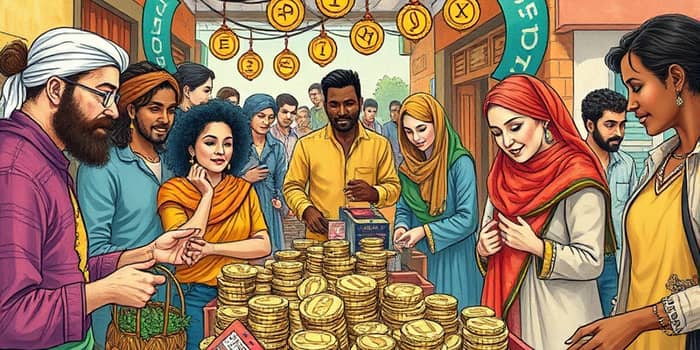
In an era marked by shifting economic landscapes and widening divides, consumers are reclaiming their power through the choices they make every day. Spending is no longer merely transactional; it has become a reflection of who we are and what we stand for.
The Rise of Value-Driven Purchasing
Recent studies show that over 88% of U.S. consumers seek out brands that resonate with their beliefs, and 64% are willing to pay a premium for products that mirror their principles. For Gen Z, this figure soars to 79%. This phenomenon marks a transition from pure cost-cutting to aligning purchases with personal ethics.
As the so-called K-shaped recovery continues to benefit higher-income groups more than others, value-conscious consumers across demographics are forging a new path. They demand transparency, sustainability, and purpose, even if it means paying more or waiting longer for fulfillment.
Navigating Financial Realities in 2026
Despite mixed financial outlooks, spending trends indicate resilience. Only 39% of individuals plan to tighten their budgets this year, down sharply from 69% in 2025. Meanwhile, 30% expect to increase their spending, and 31% intend to maintain current levels.
Amid these projections, a value-seeking mindset guides purchase decisions. Four in ten Americans remain deal-driven, hunting promotions and prioritizing cost-effective options that also align with their ethical standards.
Who Leads the Value Movement?
Various demographic groups demonstrate unique motivations and capacities when it comes to value-aligned spending. Below is a snapshot of key insights:
These numbers underscore a clear truth: while higher-income consumers can afford to prioritize values at scale, lower-income households often juggle ethics with necessity. Yet across the board, the demand for integrity and social responsibility is unmistakable.
Practical Strategies for Conscious Consumers
Embracing a value-driven approach requires both intention and action. Consider these steps to ensure your spending aligns with your core priorities:
- Research brand commitments to sustainability and ethical sourcing.
- Budget with purpose, allocating funds for both essentials and passion projects.
- Support local businesses and social enterprises that reinvest in communities.
By adopting these habits, you can move from passive purchasing to meaningful, value-driven purchasing decisions that benefit both wallet and world.
Implications for Brands and Retailers
As consumer priorities shift, savvy brands are adjusting their strategies. Neutrality no longer suffices, especially among Gen Z and multicultural audiences who demand authenticity. Effective approaches include:
- Transparent storytelling about product origins and labor practices.
- Partnerships with nonprofits or community initiatives that reflect brand values.
- Flexible offerings, such as circular-economy options and ethical certifications.
These tactics help companies build trust, foster loyalty, and differentiate themselves in a crowded market. In downturns, values-based advertising delivers consistent returns, while undifferentiated messaging risks alienating key segments.
Looking Ahead: The Future of Ethical Spending
With spending projected to grow by 1.5% in 2026 and inflation easing slightly, the opportunity for value alignment is stronger than ever. Yet challenges remain. Low-income households face government cuts and steady paycheck-to-paycheck pressures, while perceptions of price versus value continue to shift post-inflation.
To thrive in this dynamic landscape, consumers and businesses alike must embrace adaptability. For shoppers, this means crafting budgets that reflect both practical needs and ethical desires. For brands, it means embedding purpose throughout the value chain and engaging in genuine, continuous dialogue with their audiences.
Ultimately, the currency of choices is a powerful tool for shaping a more equitable, sustainable future. When we align our spending with our values—balancing ethical alignment and affordability—we become agents of positive change. Every dollar spent is an investment in the world we wish to see.
References
- https://www.salsify.com/blog/shopper-spending-changes-in-2026
- https://company.givsly.com/2025/05/over-88-of-us-consumers-purchase-from-brands-that-align-with-their-values-finds-givsly-research/
- https://www.privatebank.bankofamerica.com/articles/2026-consumer-outlook.html
- https://www.deloitte.com/us/en/insights/industry/retail-distribution/consumer-behavior-trends-state-of-the-consumer-tracker/understanding-value-seeking-consumer.html
- https://yougov.com/en-us/articles/54197-us-consumer-spending-and-budgeting-trends-in-2026
- https://www.bls.gov/opub/reports/consumer-expenditures/2022/
- https://economics.td.com/us-k-shaped-consumer-spending
- https://www.mckinsey.com/industries/consumer-packaged-goods/our-insights/the-state-of-the-us-consumer
- https://www.retaildive.com/news/consumer-spending-growth-slow-2026/807782/
- https://www.pwc.com/us/en/industries/consumer-markets/library/gen-z-consumer-trends.html
- https://www.cbo.gov/publication/62105
- https://porchgroupmedia.com/blog/generational-consumer-shopping-trends/
- https://www.collagegroup.com/consumer_spending_trends_2023
- https://nielseniq.com/global/en/info/consumer-spending-data/