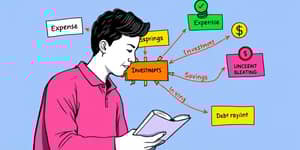
Debt can feel like an unending tunnel, but with a clear plan and committed mindset, you can break free. This blueprint empowers you to eliminate liabilities faster, reduce stress, and build lasting wealth.
The Urgency of Debt Relief
As of mid-2025, total U.S. consumer debt has surged past $17 trillion, with the average household carrying nearly $78,000 in obligations. With credit card interest rates averaging over 20%, delaying payoff can cost thousands in additional interest each year.
Accelerating debt relief is essential not just to save thousands in interest, but also to reclaim mental clarity, boost credit scores, and unlock future opportunities for investments, home purchases, or business ventures.
Debt Avalanche Method
The debt avalanche method attacks high-cost obligations first. You continue making minimum payments on all debts while allocating any extra funds to the debt with the highest interest rate.
- List debts by interest rate, highest to lowest.
- Allocate all extra payment cash to the top-rate debt.
- Once the highest-rate debt is paid, roll its payment into the next highest.
By following this path, you minimize total interest paid and often reach debt freedom faster. However, if the highest-rate balance is large, visible progress may be slower, and motivation can wane without smaller victories.
Debt Snowball Method
The debt snowball method delivers quick wins by focusing on the smallest balances first. You pay more than the minimum on the smallest debt, then roll that full payment into the next smallest, creating momentum.
- List debts by balance, smallest to largest.
- Channel extra funds to the smallest account.
- After payoff, add its payment amount to the next smallest debt.
This approach fosters early victories that fuel your determination. On the downside, it may incur more overall interest if larger debts carry higher rates.
Avalanche vs. Snowball: Key Comparison
Understanding the trade-offs can help you choose the best plan for your personality and financial situation.
Supplementary Strategies
Beyond your main payoff method, consider tactics to simplify payments, reduce rates, and free up cash:
- Debt consolidation—Obtain a personal loan at a lower rate (often ~10%) to pay off multiple high-rate accounts, streamlining payments.
- Balance transfers—Shift credit card balances to a card offering 0% APR for 12–24 months, but avoid new charges and repay before the promotional period ends.
- HELOC loans—Tap home equity at rates near 6% to eliminate high-interest debt, but guard against overborrowing.
- Selling unwanted items—Generate extra payoff funds by selling electronics, collectibles, or unused furniture online.
Budgeting and Lifestyle Modifications
Crafting a realistic budget is the backbone of any debt escape plan. Start with a zero-based framework: assign every dollar of income a purpose, whether it’s necessities, debt payoff, or savings.
Break down your spending into “Estimated,” “Actual,” and “Difference” columns to track performance against goals. Prioritize needs over wants and cut discretionary expenses such as streaming services, dining out, or premium subscriptions.
Set aside a small starter emergency fund of $500–$1,000 before aggressive payoff to avoid new debt if unexpected costs arise. Gradually grow this to 3–6 months of living expenses once high-interest obligations are cleared.
Implementation and Behavioral Insights
Beyond mathematics, debt elimination requires meaningful behavior shifts. Begin by creating a master debt inventory, listing balances, rates, due dates, and minimum payments for every loan and card.
Commit to stopping new debt accumulation immediately. Regularly review and adjust your budget and payment strategy at least once a month to stay aligned with life changes and income variations.
Reflect on spending triggers—stress, social pressure, or convenience—and develop healthier habits. For example, replace impulse online shopping with a 24-hour waiting period or set spending alerts on your bank app.
Avoid common pitfalls such as re-consolidating without addressing underlying habits, or depleting your emergency fund and reverting to credit cards when unplanned expenses occur.
Choosing Your Path
Which method suits you best? If you’re driven by numbers and disciplined over the long haul, the Avalanche method offers maximum total interest savings. If you thrive on motivation from early victories, the Snowball approach can keep you engaged.
Many find success blending tactics: tackle one or two small balances first to spark enthusiasm, then switch to a high-interest focus to optimize savings. This hybrid can deliver the perfect balance of motivation and efficiency.
Statistics and Research Highlights
Federal Reserve data show that while the Avalanche method typically saves more interest, Snowball users often achieve comparable payoff timelines due to sustained momentum. Financial planners emphasize pairing any strategy with disciplined budgeting, emergency savings, and behavioral coaching.
Research also confirms that reducing credit card use can lower spending by up to 15%, freeing additional dollars for debt reduction.
Step-by-Step Template for Action
1. Calculate your total outstanding debt and choose an ordering based on your chosen strategy.
2. Develop a customized payoff calendar, assigning specific extra payment amounts to targeted debts each month.
3. Monitor your spending and budget performance monthly, adjusting allocations for bonuses, tax refunds, or unexpected income.
4. Reassess strategy if major life events occur—job change, medical expense, or relocation—to ensure your plan remains realistic and stress-free.
5. Celebrate milestones: every debt eliminated, every emergency fund milestone reached, and every paydown anniversary deserves recognition to sustain momentum.
Long-Term Financial Stability
Reaching zero debt is a transformative milestone, but the journey continues. Maintain the habits of disciplined budgeting and savings to protect against future debt and build wealth through investments.
By applying these strategies and insights, you will not only escape debt faster but also cultivate the financial resilience and peace of mind needed to thrive in any economic climate.
References
- https://www.jgwentworth.com/resources/3-biggest-strategies-for-paying-down-debt
- https://www.discover.com/personal-loans/resources/consolidate-debt/payoff-debt-snowball-vs-avalanche/
- https://www.deanamarnoldcpa.com/blog/best-ways-get-out-debt-2025?page=3
- https://www.wellsfargo.com/goals-credit/smarter-credit/manage-your-debt/snowball-vs-avalanche-paydown/
- https://cecraig.com/resources/13-strategies-live-debt-free-in-2025/
- https://www.experian.com/blogs/ask-experian/avalanche-vs-snowball-which-repayment-strategy-is-best/
- https://www.schwab.com/learn/story/how-to-create-credit-card-debt-exit-plan
- https://www.fidelity.com/learning-center/personal-finance/avalanche-snowball-debt
- https://dfpi.ca.gov/news/insights/three-steps-to-managing-and-getting-out-of-debt/
- https://commons.lib.jmu.edu/honors201019/699/