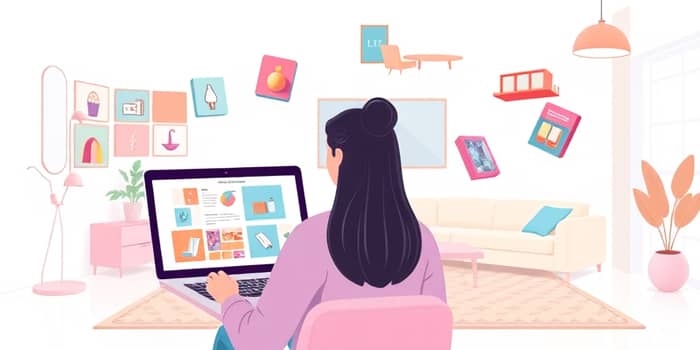
Imagine redecorating your home with expert guidance, all without leaving your couch. E-design, or virtual interior design, brings professional styling to your fingertips through digital tools.
This innovative approach has surged in popularity, offering a modern solution for busy lifestyles and remote living. It delivers design services entirely online, making it a game-changer in the industry.
From mood boards to shopping lists, e-design empowers you to create beautiful spaces on your own terms. It’s perfect for those who value convenience and creativity in equal measure.
What is E-Design?
E-design refers to professional interior design services conducted online, with no in-person meetings required. It emerged as a cost-effective alternative to traditional methods.
Boosted by technological advances and the pandemic, it now provides global access to top designers. Clients receive digital deliverables like plans and guides for DIY execution.
This model suits anyone seeking a fresh look without the high costs of full-service design.
How E-Design Works
The process is streamlined and client-driven, typically involving several phases. It starts with an initial consultation to understand your needs.
- Initial Consultation: Conducted via email, phone, or video chat to gather preferences, budget, and photos.
- Design Proposal: Creation of mood boards, floor plans, and shopping lists with purchase links.
- Revisions and Feedback: Multiple rounds of input to align with your vision.
- Final Package Delivery: Includes detailed plans, renderings, and implementation guides.
Packages vary, offering flexibility from room refreshes to complete home makeovers.
Key Deliverables in E-Design
Common outputs ensure you have all the tools for success. These deliverables are tailored to your style and space.
- Visuals: Mood boards, digital mockups, and 3D renderings for a realistic preview.
- Plans: Scaled floor plans with measurements to guide furniture placement.
- Sourcing: Shopping lists with links to products from online retailers.
- Guides: Step-by-step instructions for implementation and styling tips.
This comprehensive approach helps you visualize and execute designs efficiently.
Comparison: E-Design vs. Traditional Design
Understanding the differences can help you choose the right service for your needs. E-design focuses on digital delivery and client involvement.
This table highlights how e-design offers greater flexibility and accessibility compared to traditional methods.
Pros of E-Design Services
E-design comes with numerous benefits that make it appealing to a wide audience. It’s designed to be user-friendly and efficient.
- Affordability: Lower costs with no travel or installation fees.
- Accessibility: Work with designers worldwide from any location.
- Convenience: Quick service with online sourcing and tech tools.
- Learning Opportunity: Gain design knowledge through guides and visuals.
- Scalability for Designers: Remote work expands client bases globally.
These advantages make it an ideal choice for budget-conscious individuals seeking professional help.
Cons and Limitations of E-Design Services
While e-design has many perks, it’s important to consider potential drawbacks. Awareness helps set realistic expectations.
- No Physical Assessment: Relies on client measurements, risking inaccuracies.
- Client Burden: Requires handling orders, deliveries, and assembly.
- Less Hands-On: Not suitable for complex projects like custom builds.
- Communication Challenges: Purely digital interactions may lack personal touch.
- Variable Detail: Implementation guides might not cover every aspect.
Providers often mitigate these with add-ons like local installation services.
Target Audience and Ideal Use Cases
E-design is best suited for specific types of clients and projects. It thrives in scenarios where flexibility is key.
- Budget-conscious homeowners seeking pro help without high costs.
- DIY enthusiasts wanting guidance and flexible timelines.
- Remote or global clients, such as those with rentals or single rooms.
- Individuals valuing convenience over full execution services.
It’s not ideal for those needing custom builds or turn-key setups.
Service Tiers and Business Models
Designers and providers offer tiered packages to cater to diverse needs. This allows for scalable and personalized services.
- Starter/Short-Term: Includes designer-for-a-day sessions or hourly consulting.
- E-Design Packages: Room-specific or full-home virtual plans with digital deliverables.
- Full-Service: Comprehensive management from space planning to installations.
This structure benefits designers by expanding their reach and reducing overhead costs.
Market Context and Trends
E-design has seen a significant rise in popularity, driven by digital trends and changing lifestyles. It reflects a shift towards remote solutions.
The pandemic accelerated its adoption, making it a staple for DIY generations. Providers range from independent bloggers to larger firms like Havenly.
Tools such as vision boards and online questionnaires enhance the experience, pointing to a tech-savvy future.
Getting Started with E-Design
To make the most of e-design, follow these practical tips. They ensure a smooth and successful design journey.
- Create vision boards to clarify your style and preferences.
- Provide accurate photos and measurements of your space.
- Use digital tools like Zoom for consultations and feedback.
- Research providers to find one that matches your budget and needs.
- Start with a single room to build confidence before expanding.
These steps help you leverage e-design effectively for stunning home transformations.
Conclusion
E-design represents a transformative shift in interior decorating, blending technology with creativity. It empowers you to take charge of your space with professional support.
Whether you’re refreshing a room or overhauling your home, this approach offers unparalleled flexibility. Embrace the digital decorator to unlock a world of design possibilities.
Start your journey today and discover how easy and rewarding virtual design can be. Your dream home is just a click away, waiting to be realized through innovation and inspiration.
References
- https://kaylasimonehome.com/blog/what-is-e-design-should-you-hire-a-virtual-interior-designer
- https://www.designwithmoxie.com/post/what-is-e-design-interior-design-service
- https://www.designstudio210.com/interior-spaces/virtual-interior-design-services/
- https://www.byamadesigns.com/blog/what-is-the-difference-between-full-service-design-and-virtual-design
- https://www.hellobonsai.com/blog/e-design-for-interior-designers
- https://home.by.me/en/decor-magazine/professionals/becoming-pro/defining-interior-design-services-offer/
- https://www.youtube.com/watch?v=cP6dTd2wJbA