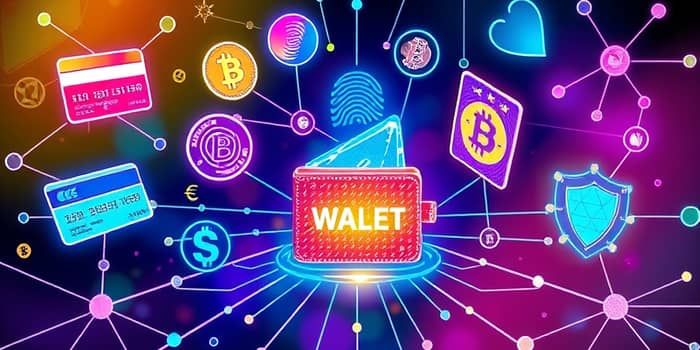
In an era defined by instant connectivity and mobile convenience, digital wallets have emerged as indispensable tools for managing our financial lives. From purchasing a morning coffee with a tap to transferring funds internationally in seconds, these platforms reshape our relationship with money and identity.
As consumers increasingly favor contactless and online transactions, it becomes vital to understand how these applications work, the safeguards they employ, and the best practices for keeping assets protected. This comprehensive guide explores the many dimensions of digital wallets and offers practical advice to ensure both convenience and security.
Definition and Overview of Digital Wallets
A digital wallet is essentially software-based systems that securely store sensitive payment credentials on mobile devices, desktops, or cloud servers. Acting as a virtual replacement for a physical wallet, e-wallets hold credit and debit card details, loyalty memberships, passwords, and even cryptocurrencies, enabling seamless transactions at checkout points or within applications.
These wallets leverage advanced technologies such as tokenization, encryption, and biometric authentication to guarantee secure exchanges. By abstracting actual card numbers behind encrypted tokens, digital wallets minimize exposure of real account data while streamlining payment processes for both consumers and merchants.
Types of Digital Wallets
Digital wallets can be categorized by their accessibility, supported currency, ecosystem reach, and underlying technology. Recognizing these distinctions helps individuals and businesses select solutions aligned with their needs.
- Closed Wallets: Issuer-specific platforms for in-app or in-store purchases, where funds and refunds remain within the same ecosystem.
- Semi-Closed Wallets: Operate across a network of partnered merchants and service providers, balancing control with broader acceptance.
- Open Wallets: Allow universal use across banks and merchants, offering direct fiat withdrawals and widespread support.
- Crypto Wallets: Store digital assets on blockchains, available as hot (online) or cold (offline) options, with custodial or non-custodial control.
- Peer-to-Peer Wallets: Facilitate instant transfers between individuals using email addresses, phone numbers, or unique tags without intermediaries.
Closed wallets, often provided by retailers or ride-sharing services, enhance user loyalty and simplify refunds. Semi-closed solutions like certain mobile payments apps connect shoppers to hundreds of merchants without handling direct bank withdrawals. Open wallets, exemplified by global platforms, enable cash-out at ATMs and bank accounts. Cryptocurrency enthusiasts rely on non-custodial cold wallets to maintain full ownership of private keys, while social payment apps excel at casual peer transfers.
Security Features and Mechanisms
Protecting digital transactions demands a robust, multi-layered strategy. Leading wallets implement a combination of cryptographic and procedural safeguards to thwart fraud and unauthorized access.
By using unique, one-time token per transaction, tokenization ensures that merchants never store actual card numbers. Encryption protocols like AES and RSA maintain confidentiality of data both in storage and transit. Blockchain-enabled wallets add an immutable ledger that logs transactions transparently across distributed nodes.
Biometric measures—fingerprints, facial scans, iris recognition—have become standard features, as they balance security and ease of use. One-time cryptograms and dynamic CVV codes further prevent replay attacks and credential reuse.
Benefits of Digital Wallets
Adopting digital wallets yields significant advantages for everyday users, businesses, and the broader financial ecosystem. The frictionless nature of electronic payments boosts consumer satisfaction and retailer revenue.
- Accelerated checkout via tap-and-pay or instant in-app payments.
- Centralized management of cards, loyalty points, and tickets.
- Advanced fraud reduction by shielding real card data.
- Support for multiple currencies, cryptocurrencies, and NFTs.
- Personalized insights through integrated AI budgeting and rewards.
With features like microloans, savings goals, and direct deposit options embedded in some platforms, digital wallets increasingly serve as full-fledged financial hubs. Users appreciate the contactless payments and instant transfers that simplify both routine shopping and peer-to-peer settlements.
Risks and User Protection Tips
Despite strong vendor safeguards, users must remain vigilant against evolving threats. Cyberattacks, phishing attempts, and device theft can compromise wallets if precautions lag.
To protect against unauthorized access and data breaches, follow these best practices:
- Lock devices with complex PINs, passwords, or biometric security.
- Enable multi-factor authentication on all wallet apps.
- Install updates promptly to address security patches.
- Choose audited wallet providers with PCI DSS compliance.
- Monitor statements and enable real-time transaction alerts.
For those using hot crypto wallets, consider transferring large holdings to cold storage. Always verify merchant details before sending funds and use official app stores to download wallet software.
Future Trends in Digital Wallets
The road ahead for digital wallets is marked by innovation and regulatory evolution. Expect to see AI-driven personalization and budgeting tools that analyze spending patterns in real time and suggest optimal savings strategies. Voice authentication, heartbeat sensors, and behavioral biometrics will further streamline user verification.
As virtual worlds and the metaverse expand, digital wallets will serve as gateways for purchasing virtual land, avatars, and experiences. Simultaneously, global regulators will enforce stricter privacy laws, driving adoption of quantum-resistant cryptographic methods and decentralized identity frameworks.
Collaboration between banks, tech firms, and networks will yield interoperable standards that simplify cross-border micropayments and reduce foreign exchange friction. The integration of open banking APIs will usher in a new era of financial inclusivity, empowering unbanked populations worldwide.
Conclusion
Digital wallets represent a transformative shift in how we handle money and digital assets. By blending security, convenience, and innovation, they empower users to transact confidently in an increasingly digital economy.
Whether you are a casual spender, a global traveler, or a crypto enthusiast, adopting best practices—such as choosing reputable providers, enabling strong authentication, and staying informed about emerging trends—will ensure that your assets remain safe and accessible. Embrace this technology with awareness and curiosity, and unlock the full potential of a cashless future.
References
- https://tipalti.com/blog/digital-wallet/
- https://blogs.umb.edu/stephanienichols/2024/11/05/how-digital-wallets-are-revolutionizing-data-encryption-in-fintech/
- https://www.scalefocus.com/blog/the-comprehensive-guide-to-digital-wallets-definition-types-benefits
- https://www.privacy.com/blog/how-digital-wallets-bring-security-to-payments
- https://savvycomsoftware.com/blog/digital-wallet-types/
- https://www.tencentcloud.com/techpedia/108647
- https://agilie.com/blog/what-is-a-digital-wallet-and-how-does-it-work
- https://toucanus.com/blogs/digital-wallet-security-features-to-protect-money/
- https://ramp.com/blog/what-is-a-digital-wallet
- https://www.rivermarkcu.org/articles/technology/how-mobile-wallets-enhance-security-and-user-benefits
- https://corporatefinanceinstitute.com/resources/cryptocurrency/digital-wallet/
- https://dirox.com/post/digital-wallet-security-why-robust-protection-is-non-negotiable
- https://www.worldpay.com/en/insights/articles/business-guide-to-mobile-wallets
- https://brilliancesecuritymagazine.com/cybersecurity/how-secure-are-digital-wallets/
- https://usa.kaspersky.com/resource-center/threats/is-your-ewallet-safe
- https://www.cossacklabs.com/solutions/digital-wallet-security/