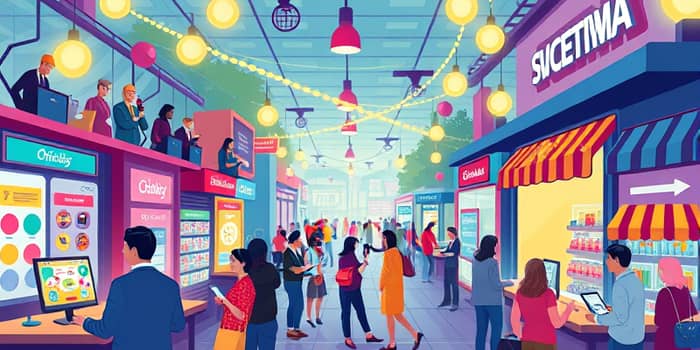
In today’s hyperconnected world, mastering online sales channels is no longer optional—it’s essential. With customers engaging across websites, mobile apps, social media, and marketplaces, businesses must adopt an integrated approach to delivering exceptional experiences.
This article explores how to build a winning platform playbook, harnessing data, technology, and proven strategies to achieve sustainable growth.
Understanding Sales Channels
Sales channels are the methods or pathways businesses use to reach and serve customers. They fall into three broad categories: direct channels, indirect channels, and online channels. Each offers unique benefits and challenges, so selecting the right mix requires deep insight into your product, audience, and goals.
Direct channels include brand-owned websites and retail stores. Indirect channels consist of resellers and marketplaces, while online channels cover social media platforms, mobile apps, and online portals. By evaluating the strengths of each channel, you can craft a strategy that maximizes reach and conversion.
Market Overview and Growth Potential
Global B2C ecommerce revenue is expected to reach a staggering $5.5 trillion by 2027. This impressive figure reflects a compound annual growth rate of 14.4%. E-commerce already accounts for 23.5% of retail sales worldwide, and businesses are projected to invest over $22.6 billion in ecommerce platforms in the next year.
Today, 57% of buyers prefer to engage through digital touchpoints. Chat support, online portals, and mobile apps dominate customer interactions, closing transactions virtually at rates above 85%. These trends underscore the urgency of building a resilient online presence.
Ecommerce Platform Market Share
Choosing the right ecommerce foundation is a critical decision. The table below highlights the top global platforms, showcasing their market influence and installed base.
Shopify’s dominance is clear, but WooCommerce remains the leader in regions like India, commanding 44% market share. Regional preferences shape which platform delivers the best ROI.
Crafting an Omnichannel Strategy
An omnichannel model integrates different sales channels to create a unified experience. It allows customers to begin a purchase on one platform and complete it on another, without friction. This approach fosters loyalty and increases lifetime value.
Key principles include seamless inventory synchronization, real-time data sharing, and consistent branding across touchpoints. By unifying digital and traditional channels, you transform each interaction into a personalized journey.
- Social media engagement and targeted ads
- Email marketing campaigns with dynamic content
- SEO-driven content to attract organic traffic
- Paid search to capture high-intent buyers
Combining these tactics ensures you reach customers wherever they spend time, shortening the path from awareness to purchase.
Integration and Operations Excellence
Seamless multi-channel operations require robust backend systems. Integration challenges often revolve around inventory disparities, fragmented order data, and siloed customer profiles. Addressing these issues is pivotal for scaling efficiently.
- Inventory synchronization across all channels
- Order consolidation for streamlined fulfillment
- Unified customer data management for personalization
Invest in middleware or unified commerce platforms that bridge gaps between your website, marketplaces, and point-of-sale systems. This foundation allows your team to focus on growth rather than firefighting technical issues.
The Sales Playbook Framework
A well-defined sales playbook serves as your strategic north star. It outlines target buyer personas, outreach sequences, objection-handling scripts, and key performance indicators. With this blueprint, your sales and marketing teams move in harmony toward shared objectives.
- Defining customer acquisition channels and touchpoints
- Standardizing sales processes from prospecting to close
- Leveraging content assets like case studies on demand
- Customizing approaches for verticals, regions, and personas
By embedding real-time content surfacing tools, reps access objection-handling resources at the right moment. This accelerates the quoting process, enhancing responsiveness and closing rates.
Inspiring Growth through Data and Innovation
Data-driven decision-making is at the heart of any digital sales playbook. Track key metrics such as conversion rates, average order value, and cart abandonment to identify optimization opportunities. Use A/B testing to refine landing pages, checkout flows, and promotional offers.
Adopt emerging technologies—chatbots, AI-driven recommendations, and augmented reality—to create immersive shopping experiences. These innovations not only delight customers but also yield valuable behavior data for continuous improvement.
Consider exploring voice commerce and social selling integrations to stay ahead of the curve. Early adopters gain first-mover advantages, capturing market share while competitors catch up.
Putting It All Together: Action Plan
To dominate online sales channels, follow this actionable roadmap:
1. Audit existing channels and performance metrics to pinpoint strengths and gaps.
2. Choose an ecommerce platform aligned with your growth ambitions and budget.
3. Design an omnichannel strategy that unifies digital and physical touchpoints.
4. Integrate back-end systems for inventory, orders, and customer data.
5. Develop a dynamic sales playbook customized for your buyers.
6. Leverage data analytics and innovative tools to optimize each stage.
By executing this playbook with discipline and creativity, your business can achieve scalable, profitable growth. Remember, success in the digital age comes to those who innovate, iterate, and inspire.
Conclusion
Dominating online sales channels demands a strategic blend of technology, process, and human insight. From selecting the right platform to crafting a seamless omnichannel experience and empowering your teams with a robust sales playbook, each element plays a critical role.
Embrace the opportunities that lie ahead. With a clear roadmap and unwavering focus on customer experience, your business will not only survive but thrive in the ever-evolving digital marketplace.
References
- https://www.salesforce.com/sales/partner-relationship-management/sales-channels/
- https://theretailexec.com/platform-management/ecommerce-platform-market-share/
- https://wisepim.com/ecommerce-dictionary/sales-channel
- https://hginsights.com/resource/ecommerce-platform-market-share-buyer-landscape/
- https://www.pandadoc.com/blog/what-are-sales-channels/
- https://www.ecommerce-gold.com/most-popular-ecommerce-platforms/
- https://checkoutchamp.com/media/what-is-an-ecommerce-playbook-how-to-build-one-253
- https://www.statista.com/topics/871/online-shopping/
- https://www.salesbook.com/blog/sales/sales-channels-what-are-they-and-what-types-exist
- https://trends.builtwith.com/shop
- https://dealhub.io/glossary/sales-playbook/
- https://analyzify.com/statsup/us-ecommerce
- https://www.alexandergroup.com/insights/the-power-of-playbooks-execute-your-sales-vision/
- https://www.trade.gov/ecommerce-sales-size-forecast
- https://www.revenue.io/inside-sales-glossary/what-is-a-sales-playbook