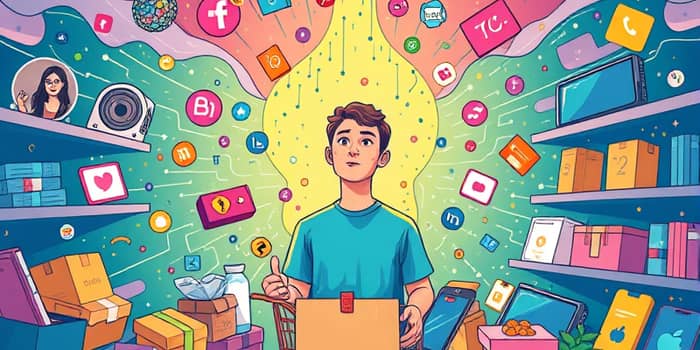
In an era defined by rapid technological advances and ever-shifting values, today’s buyer demands clarity, purpose, and trust. By understanding the consumer empowerment and data-savvy insights fueling modern shopping behavior, individuals can navigate a landscape rife with targeted ads, social media influencers, and subscription lures. This guide unpacks the classic five-stage framework of purchasing decisions and overlays 2026’s key trends, offering practical tactics to become a truly smart and empowered shopper.
Stage 1: Problem Recognition
The journey begins when a need emerges. Whether prompted by hunger, a malfunctioning device, or an intriguing ad, the consumer’s mind shifts into solution mode. Internal triggers—like a student frustrated with a slow laptop—combine with external stimuli, such as personalized AI-driven offers, to signal the start of a purchase cycle.
Marketers leverage awareness campaigns, influencer endorsements, and push notifications to tap into daily frustrations. Recognizing these stimuli empowers the consumer to pause, reflect, and articulate a genuine requirement rather than succumbing to impulse.
Stage 2: Information Search
Once a need is identified, research ramps up. Today:
- 46% of Americans use mobile shopping apps to compare prices and features.
- 63% left product ratings last year; 42% did so to assist others.
- 61% of Gen Z turned to AI assistants like ChatGPT for purchase guidance.
Rather than defaulting to general web searches, savvy consumers consult specialized tech sites, peer reviews, and dedicated forums. By balancing digital sources with first-hand recommendations, shoppers construct a well-rounded view of available options.
Stage 3: Evaluation of Alternatives
At this juncture, comparisons become action-oriented. Consumers weigh:
- Price and promotions across channels.
- Sustainability credentials and brand values.
- Peer reviews and demo requests, especially for high-involvement items like electronics or vehicles.
This phase highlights attitudinal differences: low-involvement goods often rely on brand familiarity or convenience, while major investments demand rigorous scrutiny. Integrating user-generated content and independent certifications helps shoppers avoid cleverly disguised imitations.
Stage 4: Purchase Decision
Following thorough evaluation, the moment of truth arrives. Confirmation may stem from a limited-time discount, positive friend feedback, or seamless checkout experiences. For example, a consumer might finally click “buy” on a sustainably made coat after verifying its eco-friendly materials and reading peer endorsements on social commerce platforms.
Marketers often leverage retargeting ads and one-click purchasing to seal the deal. Recognizing these tactics allows shoppers to pause and reassess whether the product still aligns with their core needs and values.
Stage 5: Post-Purchase Evaluation
After the sale, reflection determines long-term sentiment. Metrics like NPS (Net Promoter Score) and CSAT (Customer Satisfaction) mirror personal satisfaction checks. A positive outcome spurs repeat purchases and brand advocacy, while disappointment triggers returns or negative feedback.
Keeping a personal satisfaction log—tracking feelings of delight or regret—empowers consumers to fine-tune future buying decisions and identify brands that consistently deliver on promises.
Key 2026 Consumer Behavior Trends
Modern shoppers are not passive recipients of marketing—they actively decode tactics and demand authenticity. The table below highlights pivotal trends shaping smart buying in 2026.
Decoding Common Marketing Tactics
Brands employ a suite of sophisticated techniques to influence decisions. Recognizing these ploys transforms consumers from targets into critics:
- Personalization Push: Customized ads triggered by browsing history and past purchases.
- Social Proof Amplification: Highlighting user reviews and influencer endorsements.
- Impulse Triggers: Limited-time promotions, flash sales, and livestream shopping events.
- Seamless Omnichannel Funnels: Frictionless transitions between apps, stores, and websites.
By spotting these strategies, shoppers can step back, reassess genuine needs, and avoid spur-of-the-moment regrets.
Smart Strategies for Empowered Buying
To counter marketing momentum and stay aligned with personal goals, consider these actionable tactics:
- Leverage AI and Peer Reviews: Use chatbots and community forums for balanced insights.
- Track Subscriptions Rigorously: Maintain a periodic audit of recurring charges.
- Prioritize Ethical Brands: Support companies with transparent supply chains and social commitments.
- Reflect After Purchase: Maintain a simple satisfaction log to inform future decisions.
- Set Clear Budget Boundaries: Allocate funds according to value and broader financial goals.
Adopting these practices not only minimizes buyer’s remorse but also enhances long-term financial well-being and personal fulfillment.
Conclusion
In 2026’s vibrant marketplace, consumers wield more power than ever. By mastering the consumer decision-making process, understanding key trends like AI personalization boosting conversion rates, and implementing concrete strategies to outsmart marketing, individuals foster both fiscal responsibility and value-aligned purchasing.
The path to becoming a genuinely values-driven and sustainable purchaser lies in curiosity, skepticism, and disciplined reflection. Embrace these insights, and transform every transaction into an opportunity for knowledge, satisfaction, and ethical impact.
References
- https://www.netguru.com/blog/consumer-behavior-trends
- https://www.lucidchart.com/blog/consumer-decision-making-process
- https://www.gsmaintelligence.com/research/consumers-in-focus-device-user-behaviour-survey-dashboard-2026
- https://okendo.io/resources/blog/consumer-decision-making-process/
- https://www.circana.com/post/unpacking-consumer-marketing-trends-that-will-drive-growth-in-2026
- https://www.productmarketingalliance.com/what-are-the-5-steps-in-the-consumer-buying-process/
- https://www.simplebundles.com/blog/omnichannel-retail-trends-every-brand-needs-to-know-in-2026/
- https://www.yotpo.com/resources/consumer-decision-making-process-ugc/
- https://www.capgemini.com/insights/research-library/what-matters-to-todays-consumer-2026/
- https://www.indeed.com/career-advice/career-development/consumer-decision-making-process
- https://emarsys.com/learn/blog/dtc-marketing-statistics/
- https://en.wikipedia.org/wiki/Buyer_decision_process
- https://www.deloitte.com/us/en/insights/industry/retail-distribution/consumer-behavior-trends-state-of-the-consumer-tracker.html
- https://openstax.org/books/principles-marketing/pages/3-3-the-consumer-purchasing-decision-process
- https://www.youtube.com/watch?v=AjZrhWVTM3U