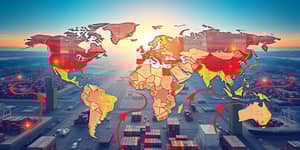
In the twenty-first century, vast urban areas housing over ten million people have become the beating hearts of global progress. These megacities concentrate talent, capital, and resources, transforming once-rural economies into thriving epicenters of innovation and trade.
As they swell to unprecedented sizes, their influence ripples across continents, reshaping industries, cultures, and entire nations.
The Rise of the Megacity
Just fifty years ago, only eight megacities existed worldwide. Today, 33 such urban giants span the globe, and by 2050 that number will grow to 37.
Asia leads this charge with 19 megacities, including future additions like Addis Ababa, Dar es Salaam, Hajipur, and Kuala Lumpur.
These hubs embody massive demographic shifts and economic opportunity as rural migrants converge on urban centers seeking better livelihoods.
By 2025, 45% of the world’s 8.2 billion people will live in cities—up from 20% in 1950—and two-thirds of all population growth through 2050 will occur in urban areas.
Emerging regions are projected to add 1.1 billion city dwellers by 2040, capturing 95% of global population expansion and fueling unprecedented expansion.
Economic Powerhouses and Trade Hubs
Megacities now generate roughly half of global GDP and account for over 51% of merchandise exports, a leap from 37% two decades ago.
Shifting supply chains—driven by near-shoring and “China+1” strategies—have elevated secondary hubs from Mexico to Vietnam, enabling faster, more resilient trade networks.
These shifts illustrate unprecedented convergence of talent and capital in once-overlooked regions, creating new corridors of prosperity.
- Ho Chi Minh City: South Asia’s burgeoning export champion
- Dhaka: Textile manufacturing powerhouse driving growth
- Bangkok: Regional logistics and services nexus
- Tangier: Africa’s largest container port and renewables hub
Such diversification reduces vulnerability and propels sustainable economic dynamism across continents.
Infrastructure, Connectivity, and Innovation
Robust infrastructure underpins every thriving megacity. Major airports, seaports, and high-speed rail networks enable the seamless movement of goods and people.
Dubai, for example, hosted 55 million visitors in 2023 and ranks among the world’s top mobility hubs. Shanghai leads in cargo throughput and resiliency investments like sea walls and drainage systems.
Public-private partnerships have funded massive infrastructure investments in renewable energy, smart grids, and flood defenses that secure long-term stability.
Mapping the Giants: Top Megacities by Population
While cities like London and New York continue to lead in per-capita income, emerging megacities are narrowing gaps through innovation and investment.
Challenges on the Path to Prosperity
Rapid expansion brings complex risks. Climate change intensifies heat waves, floods, and water scarcity. Social tensions rise amid overcrowding and rising living costs.
- Environmental threats: extreme weather, air pollution, sea-level rise
- Social pressures: inadequate housing, traffic congestion, inequality
- Infrastructure strain: aging utilities, underfunded transit, power outages
- Economic disparities: wealth concentration, uneven job creation
Overcoming these obstacles requires holistic urban planning and governance that integrates social equity with environmental resilience.
Case Studies: Engines of Transformation
Across the globe, megacities illustrate diverse growth models.
Dhaka and Manila are expected to expand output by 150% by 2030 through manufacturing upgrades and port expansions. Bangalore’s tech clusters attract global talent, fostering startup ecosystems in artificial intelligence and biotech.
Dubai’s focus on luxury tourism and fintech has created a vibrant knowledge economy that thrives despite extreme heat and resource constraints.
Meanwhile, Lagos doubled its population to 14 million within a decade, highlighting urgent needs for public services even as its creative industries flourish.
Kinshasa, by contrast, exposes the limits of size without strategic investment: with a GDP per capita under $500, its growth has lagged, underscoring the necessity of targeted economic and infrastructure policies.
Policy Insights and Future Opportunities
As megacities evolve, policymakers and stakeholders can harness key strategies to sustain inclusive growth.
- Mobilize private capital for sustainable infrastructure projects
- Invest in education, digital skills, and workforce training
- Promote mixed-income housing and equitable transit access
- Adopt green technologies and nature-based solutions
By embracing inclusive and forward-looking policies, urban centers can mitigate risks and unlock immense potential.
Looking ahead, megacities will absorb half a billion new residents and rival the GDP of original G7 nations by 2050. This unrivaled urban convergence of people and ideas presents both a challenge and an opportunity to design the future.
Ultimately, megacities are more than mere population centers: they are powerful catalysts for innovation, engines of global trade, and laboratories for sustainable development that can inspire and uplift communities worldwide.
References
- https://www.weforum.org/stories/2025/03/cities-global-trade-changing-seize-moment/
- https://www.weforum.org/stories/2018/10/these-are-the-megacities-of-the-future/
- https://www.asiapacificbasin.org/un-desa-voice-december-2025-latest-urbanization-trends-reveal-top-megacities/
- https://www.axa-im.com/how-worlds-new-megacities-could-present-opportunities-investors
- https://www.citiesandglobalization.org/economic-development-economic-activities-in-megacities
- https://thebreakthrough.org/issues/energy/why-so-many-emerging-megacities-remain-so-poor
- https://ourworldindata.org/urbanization
- https://www.worldbank.org/en/topic/urbandevelopment/overview
- https://worldpopulationhistory.org/urbanization-and-the-megacity/
- https://www.statista.com/topics/3512/global-megatrends/
- https://citiesabc.com/largest-cities-in-world
- https://www.kearney.com/service/national-transformations-institute/gcr/2025-full-report