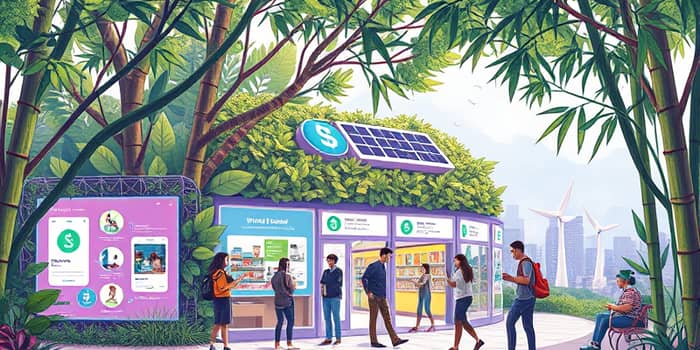
In a world where digital commerce shapes everyday life, running an online business responsibly is no longer a choice—it’s an imperative. Consumers demand authenticity, regulators enforce environmental standards, and investors reward transparency.
By embedding ecological values into your operational core, you can unlock new growth pathways, cultivate lasting customer relationships, and stand out in a competitive landscape.
This article provides a step-by-step guide, powerful statistics, and inspiring examples to help you design and launch a truly sustainable e-commerce venture in 2026.
Introduction to Sustainable Online Business
Sustainable e-commerce means reducing environmental impact and waste by integrating ethical practices across sourcing, production, and delivery. It extends beyond green packaging to embrace carbon accounting, fair labor, and community engagement.
Modern shoppers seek brands that align with their values. Companies that prioritize sustainability not only comply with evolving regulations but also earn consumer trust and brand loyalty—pillars of resilience in uncertain markets.
Implementing sustainability fosters innovation: by optimizing resource flows, businesses often realize operational efficiencies that translate into cost savings and faster time-to-market.
Consumer Demand and Market Growth
Eco-conscious shopping has moved from niche to mainstream. Surveys show 80% of consumers willing to pay a premium for eco-friendly products, with 26.6% actual price increases accepted by shoppers in 2024.
In the U.S., 90% of buyers favor sustainable packaging, and 72% actively prioritize products with clear environmental credentials. Globally, eco-friendly retail grows 173% faster than conventional segments, reflecting a profound shift in purchasing patterns.
Generational nuances further illustrate opportunity: 73% of Millennials consider sustainability when choosing brands, while Gen Z shoppers are 53% more likely to prefer eco-first labels over legacy names.
As affordability concerns persist, companies that balance cost and conscience—offering value-added transparency—will capture the largest share of a projected 34.4% eco-friendly spending by 2032.
Key Sustainable E-commerce Trends for 2026
Emerging trends are redefining how brands operate online, from packaging innovations to AI-driven impact reporting. Embracing these shifts now will position your business at the forefront of a green digital revolution.
- Eco-Friendly Packaging and Fulfillment that leverage biodegradable, compostable packaging solutions and localized warehousing to cut carbon emissions.
- Sustainable Platform Innovation combining energy efficiency with real-time carbon tracking and renewable energy integrations.
- Green Shopping Experiences offering transparent sourcing details, impact badges, and personalized recommendations based on ecological footprints.
- Carbon Neutrality and Circularity through granular certificate procurement, take-back programs, and product life-extension models.
- Data Analytics and Artificial Intelligence to monitor emissions, optimize inventory, and deliver tailored eco-recommendations that reduce waste.
Eco-friendly packaging now includes mushroom-based cushioning and seed-infused mailers that customers can plant. Businesses reduce returns-related emissions by 30% through route optimization and drop-shipping from local micro-fulfillment centers.
Sustainable platforms offer dashboards displaying live carbon footprints per order. Merchants can set automated rules to switch to renewable energy sources when grid emission intensity spikes.
Green experiences integrate ethical sourcing stories via augmented reality, allowing shoppers to virtually tour sustainable farms or recycled-material workshops before checkout.
Carbon neutrality evolves beyond annual offsets. Brands aim for 24/7 carbon-free energy procurement, matching every transaction with renewable generation certificates in real time.
AI-driven analytics detect overstock risk, forecast seasonal demand with environmental factors, and generate dynamic product bundles that minimize packaging waste and transportation miles.
Technology and Operations
Digital infrastructure is the backbone of sustainable e-commerce. Migrating to adopt energy-efficient systems reduces hosting costs while cutting data center emissions by up to 60%.
Cloud providers now offer carbon-aware compute options, automatically scheduling non-urgent tasks during periods of lower grid carbon intensity. This practice lowers both environmental impact and operating expenses.
AI personalization engines not only upsell products but also suggest greener alternatives—nudging consumers toward choices that align with your brand’s environmental mission.
Robust cybersecurity and privacy compliance reinforce trust, ensuring that your sustainability claims are paired with unwavering commitment to data ethics.
Regulatory and Strategic Shifts
Regulators worldwide are streamlining ESG requirements, prioritizing materiality over exhaustive reporting. Companies must apply professional judgment and strategic focus to disclose the most critical environmental risks and opportunities.
Adopting sustainable design and climate adaptation frameworks can yield tax incentives, grant eligibility, and preferred supplier status in public procurement.
Corporate leaders are reshaping boards to include climate expertise, ensuring that sustainability becomes a driver of innovation rather than a compliance burden.
Practical Steps for Building a Digital Blueprint
Embarking on your sustainability journey requires a clear roadmap and committed leadership. Start by evaluating current practices and defining measurable targets.
- Audit supply chains: map material origins and assess emissions at each stage.
- Choose platforms with built-in sustainability features, from carbon tracking to renewable energy integration.
- Collaborate with eco-conscious suppliers and logistics partners to co-create greener solutions.
- Embed a sustainability mindset across teams through training, incentives, and transparent reporting.
Throughout implementation, use data-driven insights to refine processes. Track key performance indicators such as waste reduction, carbon intensity per order, and customer satisfaction scores.
Future Outlook
By 2026, sustainable brands will command the lion’s share of e-commerce growth. Circular economy business models—offering refurbishment, rental, and take-back services—will unlock new revenue streams and foster deeper customer loyalty.
Sustainability will function as an operating system for cost control, reducing reliance on volatile resource markets and insulating businesses from future shocks.
As consumers increasingly seek purpose-driven brands, authenticity in eco-initiatives will be the ultimate differentiator. Companies that lead with transparency, accountability, and innovation will define the next era of digital commerce.
Whether you are a fledgling startup or an established global retailer, this digital blueprint provides the tools, trends, and tactics necessary to build a thriving, sustainable online business. Embrace the journey and shape a greener future—for your company, your customers, and the planet.
References
- https://www.bizzilo.com/blogs/sustainable-ecommerce-trends
- https://capitaloneshopping.com/research/eco-conscious-consumer-statistics/
- https://www.imd.org/ibyimd/industry/sustainability/sustainability-trends-businesses-must-watch-in-2026/
- https://www.flowlu.com/blog/productivity/ecommerce-statistics/
- https://xavora.io/sustainable-e-commerce-in-2026-how-green-brands-win-more-customers/
- https://customcy.com/blog/sustainable-e-commerce-statistics/
- https://www.london.edu/think/2026-trends-for-business
- https://www.youtube.com/watch?v=FxVOqBcJgNM