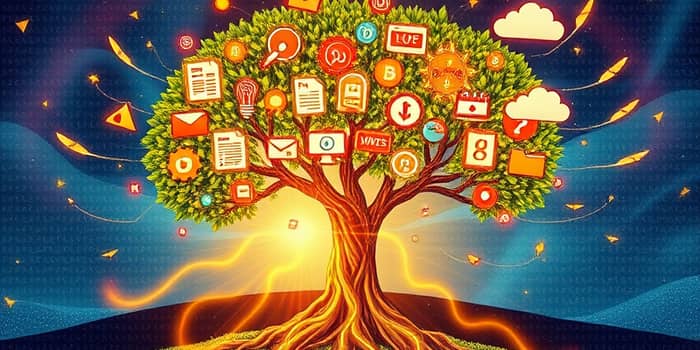
In today’s hyperconnected world, our digital footprints often outlast our physical presence. As creators and entrepreneurs cultivate online ventures—blogs, podcasts, e-commerce stores, crypto portfolios—they generate lifelong value. Yet most estate planning overlooks how to preserve and pass on these digital assets. This article introduces digital legacy 2.0 framework, a roadmap for building online assets that continue generating revenue and can be seamlessly governed by successors.
From understanding the scale of our online accounts to mapping out legal and technical strategies, we will explore practical steps to protect your enduring income streams. Whether you run a single-founder blog or manage multiple revenue channels, a clear plan ensures that your legacy thrives beyond your lifetime.
Why Digital Legacy Planning Is Critical Now
The average individual maintains dozens of online accounts, from banking and payment services to social media profiles and cloud storage. Without proactive planning, this fragmented and vulnerable digital estate is at risk of hacking, identity theft, or total loss of income. In the U.S., over 2.5 million deceased individuals are targeted each year by digital fraudsters, underscoring the urgent need for a structured approach to protect these assets.
Families typically lack centralized records of passwords or platform credentials, so heirs often face prolonged disruption or legal roadblocks. For revenue-producing properties—like niche websites or subscription newsletters—this can translate into lost income and breached contractual obligations when access is suddenly revoked.
At the same time, the creator economy has exploded: tens of millions earn all or part of their living online as bloggers, YouTubers, podcasters, and micro-SaaS founders. These single-founder operations carry a high bus-factor risk because the entire business often resides in one person’s head and login details. Preserving these ventures demands a new mindset that treats them as enduring enterprises, not ephemeral hobbies.
Defining Enduring Online Revenue Streams
Enduring online revenue streams are digital assets intentionally designed to deliver value after the founder’s lifetime. They require clear ownership, documented processes, and governance mechanisms. Below is a summary of key categories:
Content and audience-based assets—such as blogs, podcasts, and paid communities—rely on sustained engagement. A blog’s long-tail SEO value of content and a YouTube channel’s back-catalog views and earnings can generate passive revenue for years. Ensuring seamless transfer requires registrar access, ad network contracts, and analytic dashboards.
Product and transaction-based ventures, including e-commerce stores and digital courses, depend on platform accounts, payment processors, and supply chain and distribution agreements. Clear separation of personal identity from business entities makes it easier to sell or transfer ownership without disrupting customer relationships.
Financial and crypto-native assets encompass traditional online bank and brokerage accounts as well as crypto wallets and NFTs. These demand meticulous management of keys, beneficiary designations, and an understanding of platform policies. Without preplanned key-sharing protocols, heirs may be unable to access significant value.
Legal Landscape and Platform Tools
In the U.S., there is no unified federal statute governing digital inheritance. Digital property generally passes to heirs under state laws and service terms, but practical access hinges on passwords, device keys, and platform policies. Contractual agreements and terms of service often override default inheritance rules, making proactive planning essential.
- Google’s Inactive Account Manager: Set timeouts and designate trusted contacts for data delivery.
- Apple’s Digital Legacy: Assign Legacy Contacts to access Apple ID and iCloud holdings.
- Meta’s Memorialization: Appoint Legacy Contacts for Facebook and Instagram profile management.
- Twitter/X and LinkedIn: Require proof of death for account removal, with limited proactive provisions.
- Amazon: Digital content licenses (books, music) cannot be transferred but sharing options exist.
These platform-level options address access control but do not ensure business continuity, contract renewals, or revenue management. A comprehensive estate plan must integrate both legal directives and operational playbooks to maintain ongoing income.
Steps to Plan Your Digital Legacy
Effective planning involves mapping every asset, assigning responsibilities, and documenting processes. The following steps will help you secure and transfer your online revenue streams with minimal disruption.
Inventory & Mapping
- Social media, creator and publishing platforms (YouTube, Substack, podcast hosts)
- E-commerce stores, marketplaces, and payment processor accounts
- Websites, domains, hosting services, and analytics dashboards
- Banking, brokerage, retirement accounts, and crypto wallets
- Cloud storage, password managers, software licenses, and encryption keys
- Subscription services, membership communities, and backend tooling
Implement Governance Protocols
- Store login credentials in a secure vault with emergency access instructions.
- Designate trusted executors or legacy contacts with clear roles and authority.
- Draft specific digital asset instructions in your will or trust agreements.
- Create an operations manual for content updates, contract renewals, and tax filings.
- Review and test your plan annually to cover new accounts and technologies.
By treating your online ventures as you would any traditional business—with documented operational workflows, fiduciary oversight, and legal directives—you ensure transfer and governance of assets without interruption.
Conclusion
Your digital legacy extends beyond mere account access; it encompasses the ongoing potential of your creative and entrepreneurial efforts. By proactively designing revenue streams for continuity, integrating legal frameworks, and documenting operational processes, you secure a lasting impact. The intersection of estate planning and the creator economy demands a new mindset: one where enduring value and careful stewardship guarantee that your online legacy resonates for generations to come.
References
- https://www.ionos.com/digitalguide/websites/digital-law/digital-legacy/
- https://news.trendmicro.com/2024/03/15/digital-legacy/
- https://digitallegacyassociation.org/about/what-is-a-digital-legacy/
- https://trustandwill.com/learn/digital-legacy
- https://smartheritance.com/blogs/what-is-a-digital-legacy/
- https://kkue.com/digital-legacies-a-modern-necessity-in-a-digital-world/
- https://www.sierrafamilywealth.com/resource-center/estate/digital-legacy-planning-protecting-your-online-assets
- https://www.legacysuite.com/blog/what-is-a-digital-legacy-what-is-digital-legacy